Art Deco Miami: A 4-Hour Walk Through Coastal Design History
"Walking through the pastel-hued streets of Ocean Drive feels like stepping directly into a 1930s film set."
Exploring the Art Deco Historic District is more than a stroll through a collection of architectural styles; it is a walk through a living museum that captures a city's golden age. This district offers a tangible connection to how Miami transformed into a premier modern vacation destination.
* Route: A walking tour centered on the Ocean Drive corridor within the Art Deco Historic District. * Duration: Approximately 3–4 hours, including walking time and photography. * Pro Tip: Visit during the morning to see vibrant pastel colors in natural light, and return in the evening to witness the transformation under neon lights.
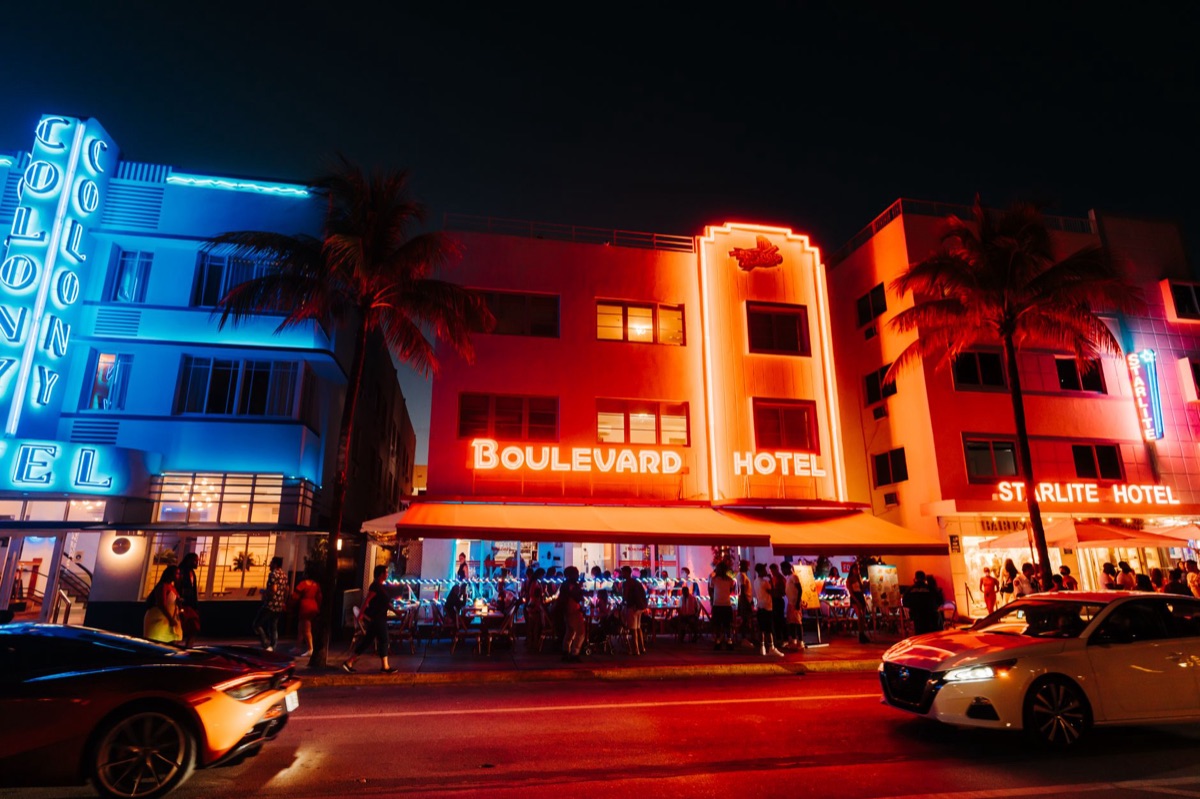
Why are these pastel streets of past and present so captivating?
The moment you step onto the sidewalk of Ocean Drive, the sharp geometric lines and soft, sweeping curves of the architecture demand your attention. On a warm afternoon, walking between these brightly colored buildings feels as though time itself has slowed to a crawl.
The Art Deco district in Miami Beach represents the optimism and futurism of the early 20th century. This style, popular in the 1920s and 30s, combines streamlined forms with decorative elements to create a unique aesthetic.
Miami developed its own "Tropical Deco" variant, incorporating plant motifs, seashell shapes, and bright pastel tones to suit its coastal setting.
These structures are more than just pretty facades; they symbolize the city's resilience and vitality during the Great Depression. Stylized sunbursts and wave-shaped decorations on the walls reflect the city's deep connection to the sea.
This architectural heritage has turned Miami into a unique cultural landmark for travelers worldwide. However, looking at the buildings alone doesn't tell the whole story.
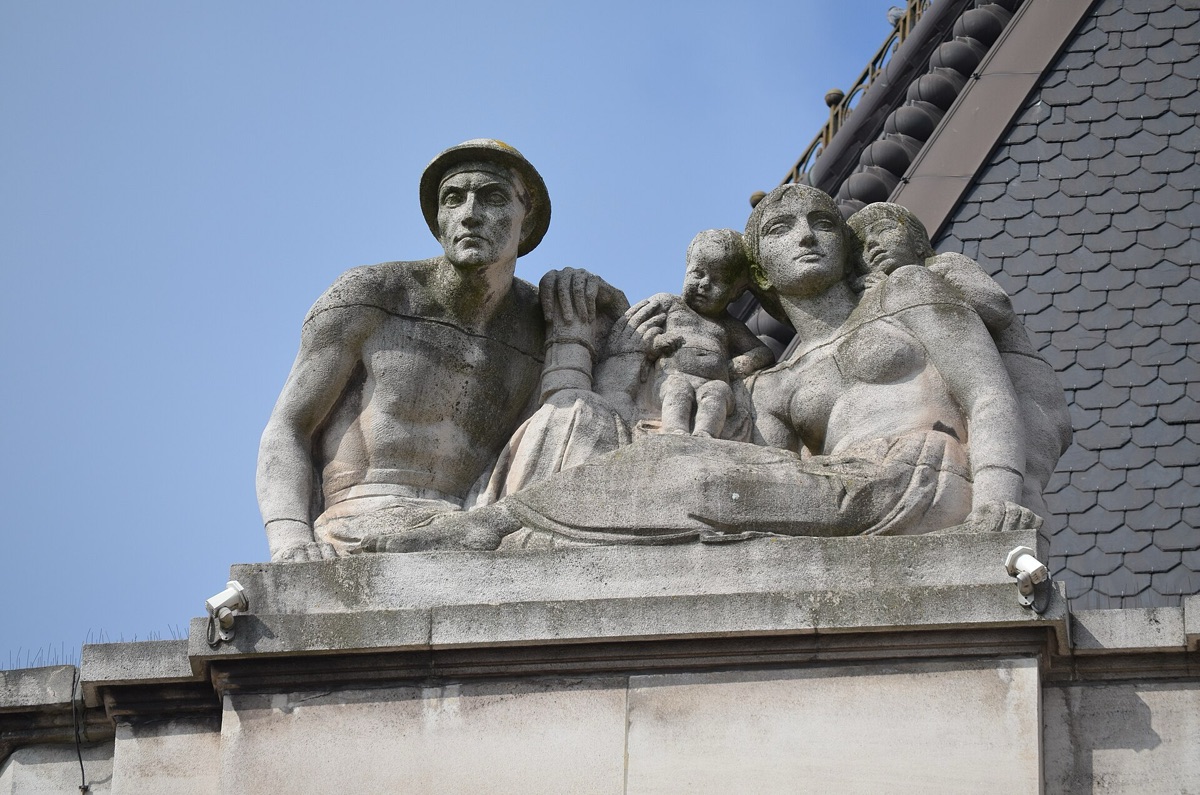
How can you catch the true charm of the Art Deco District without missing a thing?
Walking along Ocean Drive with a map in hand makes every building feel like a living fossil telling its own story. Sitting on a bench and watching the world go by while studying the architectural details can be a complete travel experience in itself.
To truly enjoy the district, it is better to follow the flow of the street rather than focusing on a single building. I remember my first visit, feeling overwhelmed by the sheer number of structures and not knowing where to look.
I eventually realized that a structured approach makes the experience much richer.
- Explore the Ocean Drive Axis: As the main artery, Ocean Drive holds the highest concentration of Art Deco buildings. Walking this stretch allows you to experience the rhythm created by changing building heights and shapes.
- Observe the Details: Look closely at the entryways, window lattices, and terrace railings. The way geometric patterns and repeating lines create a sense of depth is a key part of the visual experience.
- Differentiate by Time of Day:
- * Morning to Afternoon: Natural light brings out the most beautiful pastel hues. This is the best time to capture the texture and form of the buildings.
- * Evening to Night: The true magic of Art Deco appears when the neon signs flicker to life. The lighting emphasizes the silhouettes of the buildings, creating a dreamy atmosphere.
- Visit the Art Deco Welcome Center: If walking isn't enough, visiting a local museum or visitor center can provide the historical context needed to appreciate the architecture.
| Feature | Daytime Exploration | Nighttime Exploration |
|---|---|---|
| Primary Characteristic | Vivid pastel colors and natural light | Vibrant neon signs and lighting effects |
| Recommended Activity | Detailed architectural photography | Night views and rooftop bar visits |
| Atmosphere | Bright and energetic vacation vibe | Romantic and glamorous city vibe |
Because the scenery changes so drastically depending on the hour, planning is essential. But what historical forces shaped these colorful buildings?
What do the remnants of population and climate tell us about the city's growth?
Standing in the midday sun as long shadows stretch across the pavement, it is easy to imagine the people who lived here decades ago. Some were chasing dreams, while others were seeking a fresh start.
In a 2014 Pew Research Center study, it was noted that Christianity was the most-practiced religion in Miami (68%), with 39% professing attendance at various Protestant churches and 27% professing Catholicism.
In 1970, the Census Bureau reported Miami's population as 45.3% Hispanic, 32.9% non-Hispanic White, and 22.7% Black.
The architecture of the district was shaped by these shifting demographics and cultural backgrounds. As of 2020, Miami is a majority-minority city, with 70.2 percent of the city's population identifying as Hispanic and Latino.
This demographic reality has infused the city with a unique cultural energy, often resulting in a blend of European traditions and vibrant Latin influences.
Climate also played a decisive role in how these buildings were designed. According to a 2023 USDA update, Miami Beach has virtually no freezing weather in its history and few instances of sub-40 °F (4 °C) weather.
This consistent warmth allowed for open structures, large terraces, and the use of bright colors, providing the physical foundation for the Tropical Deco style to flourish. To enjoy this beauty, however, you need to be prepared.
What should you prepare for a walking tour?
Sitting in a small, tucked-away cafe with a cold drink after walking for hours is often when the best travel memories are made. Having spent several hours trekking these streets personally, I realized that this is much more than a simple stroll.
To make your exploration of the Art Deco district comfortable, keep this checklist in mind:
- Wear Comfortable Shoes: This district is designed for walking. Narrow sidewalks and constant movement require sturdy, comfortable footwear.
- Sun Protection is Mandatory: The Florida sun is intense. Keep sunglasses, a hat, and plenty of sunscreen on hand to protect your skin and eyes.
- Stay Aware of Your Surroundings: While Ocean Drive is lively, it is always wise to keep an eye on your belongings in crowded areas.
- Hydration and Snacks: Since you will be walking a lot, carry water to stay hydrated throughout the day.
Once you are prepared, you might find yourself wanting to explore beyond this specific neighborhood.
Where should you go next after the walking tour?
If you have had your fill of Art Deco, the surrounding areas of Miami offer entirely different experiences.
Here are a few ways to extend your journey:
- South Beach Connection: The beach is right there. After walking the streets, heading down to the sand is the most natural transition.
- Expansion to Wynwood: If you want a more modern, "hip" vibe, head to the Wynwood Walls. While Art Deco is classic, Wynwood represents the city's dynamic contemporary art scene.
- Visit Little Havana: To dive deep into the city's cultural heart, head to Little Havana. The Cuban coffee and bustling street life offer a sharp, wonderful contrast to the Art Deco district.
While there are many ways to travel between these spots, remember that each has a very different personality.
How can you take photos that capture the perfect moment?
Peering through a camera lens at the sweeping curves of a building makes it hard to stop clicking the shutter. The views through the viewfinder often look like they belong in a high-end travel magazine.
To capture "life-changing" photos in the Art Deco district, try these techniques:
* Frame the Ocean: Try to capture both the architecture of a building's entrance and the blue expanse of the ocean in a single shot. This captures the intersection of city and nature. * Focus on Geometric Patterns: Close-up shots of decorative elements—like window frames, carvings, or tile patterns—can highlight the unique artistry of the era. * Utilize the Golden Hour: The period just before sunset turns everything a warm, golden hue, making the pastel colors of the buildings look incredibly rich.
As you wrap up your trip, you might have a few lingering questions.





Comments 0