7-Mile Bridge Crossing: Focus Required for Keys Arrival
"The road is not just a way to get there; it is the destination itself."
Driving to Key West is a transition from the bustling mainland to a rhythmic, ocean-fringed paradise. To make the most of this journey, you must understand how the landscape shifts from wide highways to narrow, winding bridges.
* Plan for the transition: The journey changes character as you move deeper into the archipelago. * Respect the pace: Speed limits and bridge crossings require a different mindset than mainland driving. * Prepare for the elements: Weather and tide can influence your travel time and visibility.

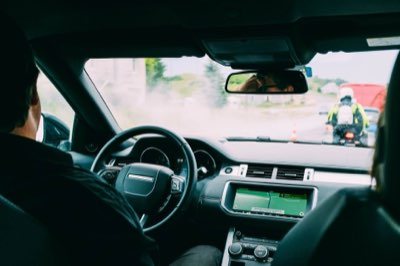
How do I approach and transition into the Florida Keys? The sun hits the windshield at a sharp angle as the car leaves the wide, multi-lane highways of the mainland behind. You feel the steering wheel tighten slightly as the road begins to narrow, signaling the start of the Overseas Highway.
According to World Bank data, the United States recorded international tourist arrivals of 45,037,000 in 2020.
The transition from the mainland to the Florida Keys is a psychological shift as much as a physical one. Once you pass through Homestead and begin moving toward Key Largo, the road begins to feel more intimate.
When I first drove this route in the summer of 2025, the sudden change from the concrete sprawl of Miami to the turquoise horizon felt like entering a different dimension.
You are no longer just driving on a road; you are moving along a thin ribbon of asphalt suspended between the Atlantic Ocean and the Gulf of Mexico.
Before you commit to the long stretch toward the southernmost point, check the local weather reports. While the Gulf Stream keeps the waters warm and the climate mild, sudden summer storms can bring heavy rainfall.
Much of the year's 61.9 inches (1,572 mm) of rainfall occurs during the summer months, which can lead to sudden visibility issues on the open bridges.
It is wise to plan your arrival time carefully. If you aim to reach Key West by late afternoon, ensure you leave the mainland with enough buffer to account for the winding nature of the road. A "through drive" might take a few hours, but a "sightseeing road trip" requires much more flexibility.
But the real challenge isn't the distance; it's the bridge.

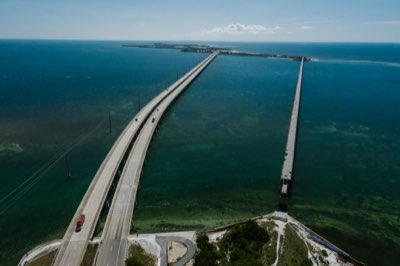
How do I navigate the Seven Mile Bridge's architecture? The car enters a long, steady stretch where the horizon seems to expand in every direction. The sound of the engine changes as the road rises onto the massive concrete structure of the Seven Mile Bridge, and for a moment, it feels as if you are flying over the turquoise water.
Crossing the Seven Mile Bridge is the centerpiece of the journey. It is an architectural marvel that offers a visual payoff unlike any other road in the United States. However, this segment requires focus.
The bridge can be subject to crosswinds, and the transition from the solid ground of the islands to the elevated structure can be disorienting for some drivers.
Avoid crossing during peak tourist transit times if you prefer a quiet experience. Mid-day traffic can lead to bottlenecks as travelers move between the Upper and Lower Keys.
If you are driving during the summer, be mindful that temperatures can reach the low 90s °F (32–35 °C), which can make the heat radiating off the concrete feel intense.
Take a moment to appreciate the view, but keep your eyes on the lane. The transition from the bridge back to the land-based sections of the highway can be abrupt.
However, once the bridge is behind you, the environment shifts from vastness to claustrophobia.
Key West Proper: Driving Within the Island Limits
The wide-open views of the ocean vanish, replaced by colorful pastel houses, and narrow streets. You find yourself creeping forward at a much lower speed, glancing frequently at the side mirrors to navigate tight corners and parked cars.
Once you reach Key West, the driving dynamic changes entirely. Unlike the long, straight stretches of the Overseas Highway, Key West is a labyrinth of historic streets. The transition from the "highway" mindset to the "island" mindset is often the biggest challenge for visitors.
Parking in the historic district, particularly near the Hemingway House or the Southernmost Point, is notoriously difficult. Most seasoned travelers recommend parking your vehicle at your hotel or in a designated parking garage and exploring the Old Town on foot.
The streets are narrow, and many are one-way.
Local driving patterns in Key West are much slower than on the mainland. Pedestrians, cyclists, and even slow-moving local traffic are part of the daily flow. If you are driving through the town, patience is your most valuable asset.
| Feature | Overseas Highway (The Drive) | Key West Proper (The Destination) |
|---|---|---|
| Road Type | Wide, elevated, coastal | Narrow, historic, urban |
| Primary Focus | Scenery and transit | Parking and navigation |
| Speed Expectation | Steady cruising | Low-speed, cautious |
| Main Challenge | Wind and long distances | Traffic density and tight turns |
But how do you actually manage the transition from the highway to the hotel?

How to Manage the Transition: A Step-by-Step Guide
The car slows to a crawl as you pull into a small, shaded parking lot near a roadside cafe. The smell of salty air and fresh coffee fills the cabin as you step out to stretch your legs, looking back at the road you just traveled.
To ensure your journey remains a vacation rather than a headache, follow this sequence for a smooth arrival:
- The Mainland Departure: Leave the mainland before 10:00 AM to avoid the heavy weekend congestion that often builds up by noon.
- The Bridge Check: Monitor wind speeds before crossing the Seven Mile Bridge; if gusts exceed 40 mph, consider waiting at a local cafe in Marathon.
- The Arrival Strategy: Upon reaching Key West, head directly to your accommodation to drop off luggage before attempting to find sightseeing parking.
- The Vehicle Hand-off: Once settled, leave the car parked and switch to bicycles or walking to navigate the historic district safely.
The journey is not just about reaching the end; it is about the stops along the way. To maximize your trip, you should treat the different sections of the Keys as distinct destinations. For example, spending time in Islamorada or Marathon can turn a transit day into a multi-day adventure.
If you are on a tight schedule, stick to the "through drive" method, moving efficiently from the mainland to Key West. However, if you have the luxury of time, integrate stops at specific viewpoints or local landmarks.
A common mistake is trying to visit a major attraction (like a nature preserve or a historic house) while simultaneously trying to make progress toward Key West. It is better to choose: either you are moving toward your destination, or you are visiting a site.
Attempting both often leads to rushed experiences and unnecessary stress.
Driving Etiquette & Local Awareness: Safety & Flow
The sun begins to set, casting long shadows across the road. You notice how the local drivers move with a certain rhythm, yielding to one another in a way that feels less formal but highly efficient.
Safety on the road requires an awareness of both the environment and the local culture. On the Overseas Highway, be mindful of the winding turns and the potential for wildlife. While large animals are less common on the bridges, local fauna can occasionally be a distraction.
Coastal driving also means being aware of the weather. While the winter months are generally mild, with temperatures rarely falling below 50 °F (10 °C), the humidity in the summer can be heavy. High humidity and heat can affect driver fatigue.
Respect the local pace. In the Keys, "hurry" is often viewed as an intrusion on the relaxed lifestyle. Use your turn signals, be patient with slower vehicles, and always allow extra time for the transition from the highway to the island streets.
#





Comments 0