South Beach: Miami's Heart, Your Ultimate Vacation Guide
"South Beach is not just a place to tan; it is a living, breathing stage where neon geometry meets the turquoise Atlantic."
If you are looking for the quintessential Miami experience—the kind involving pastel architecture, high-energy beach clubs, and a constant salt-air breeze—South Beach is your destination.
This guide breaks down why this specific slice of Miami is essential and how to navigate it alongside the city's broader cultural landscape.
Key Takeaways * Master the Art Deco aesthetic and the cultural blend of the "Gateway to the Americas." * Decide between the high-energy South Beach lifestyle and the urban sophistication of Brickell. * Plan your logistics around year-round warmth and the city's deep Hispanic heritage.

Why Choose South Beach for Your Miami Visit?
The morning sun bounces off the mint green walls of Ocean Drive as you walk through the warm, salty breeze.
The sun hits the sidewalk on Ocean Drive at 10:00 AM, reflecting off the pastel pinks and mint greens of low-rise buildings. You walk past a streamlined facade, noting the geometric shapes that define the district.
The Art Deco Historic District is the soul of South Beach. Unlike many cities that demolished their vintage architecture to make way for skyscrapers, Miami Beach preserved this specific era of design.
Walking through the district feels like stepping into a 1930s film set, where every rounded corner and neon sign tells a story of transition from classicism to modernism.
The climate makes this architectural stroll comfortable year-round. Because of the influence of the Gulf Stream, the area experiences virtually no freezing weather in its history, with very few instances of temperatures dropping below 40 °F (4 °C).
This consistent warmth allows the outdoor lifestyle—cafes, sidewalk dining, and beach strolls—to remain the primary way of life regardless of the month.
The cultural identity of the area is a complex tapestry. Miami serves as a profound cultural crossroads, often referred to as the "Gateway to Latin America." This status is built on decades of migration and the merging of various traditions.
For example, historical census data from 1970 noted a population that was 45.3% Hispanic, setting the stage for the modern demographic reality.
This blend of heritage ensures that while you are in a premier American tourist destination, the rhythm of the streets often feels much closer to Havana or San Juan. But how do you balance this energy with the rest of the city?
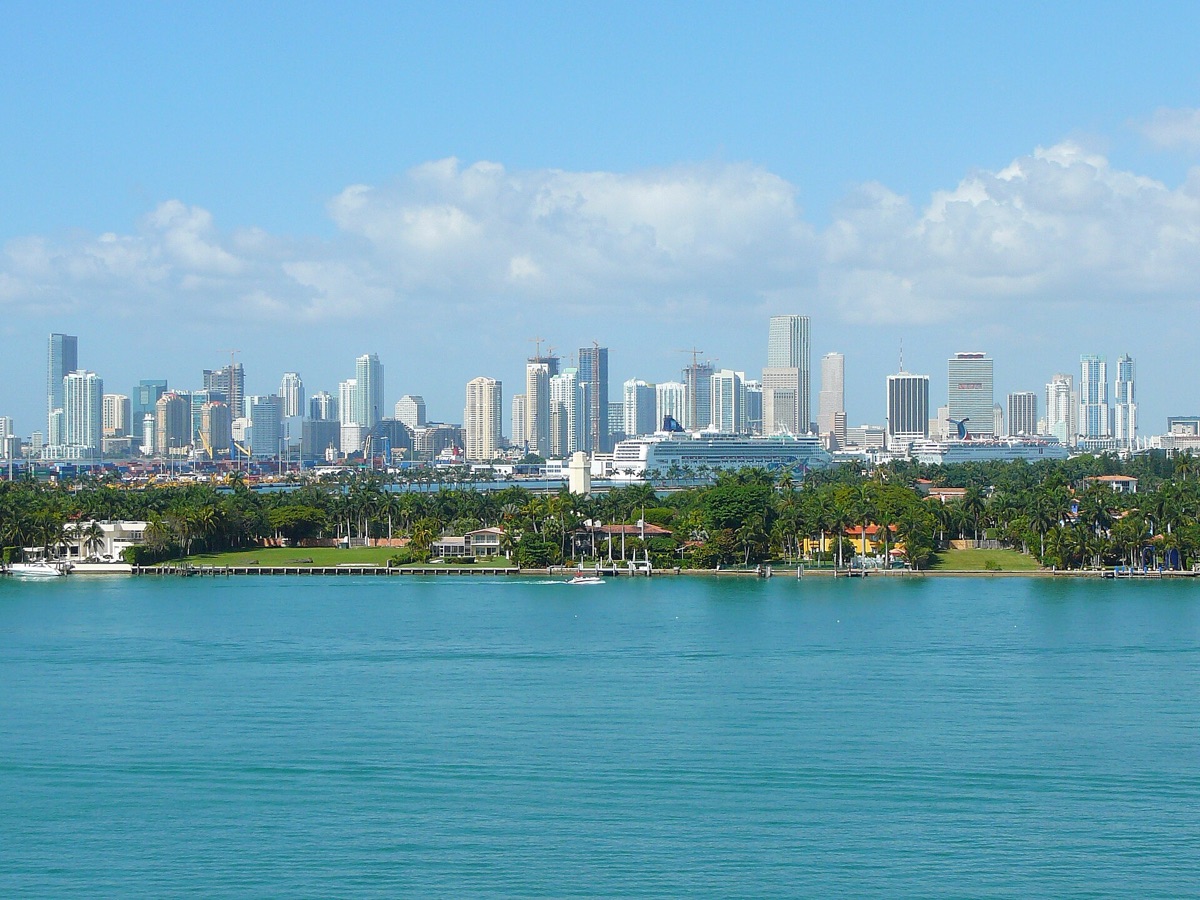
What lies beyond the beach in Miami's ecosystem? At dusk, you stand amidst the towering skyscrapers of Brickell, feeling the sudden chill of the wind against your skin.
A traveler stands in the middle of a busy intersection in Brickell, looking toward the skyline, then shifts their perspective to the breezy, open streets of South Beach. In 1970, the Census Bureau reported Miami's population as 45.3% Hispanic, 32.9% non-Hispanic White, and 22.7% Black.
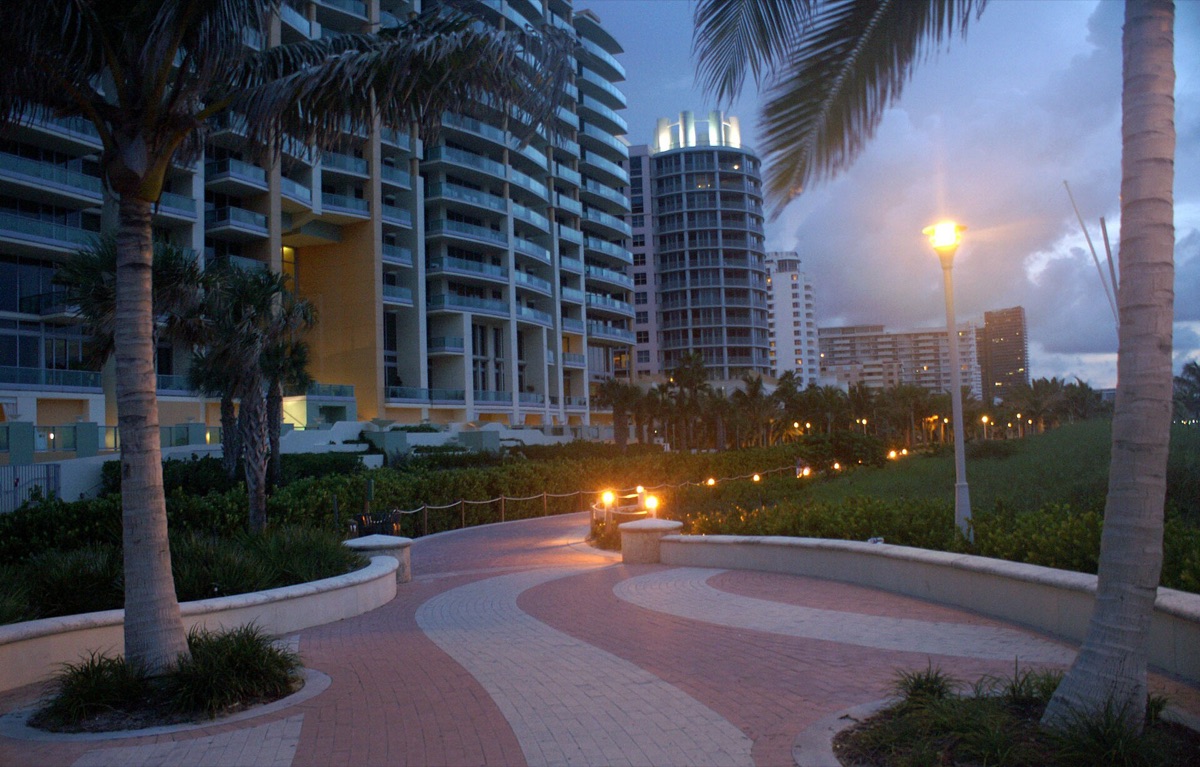
Choosing where to stay is the most critical decision for your trip. South Beach is perfect for those who want to walk out of their hotel and immediately be in the heart of the action, surrounded by nightlife and the ocean.
However, it often comes with a premium price tag and a much higher noise level. In contrast, staying in Downtown or Brickle offers a more urban, professional atmosphere with easy access to transit and cultural institutions.
If you are looking for budget-friendly proximity to the airport, you might look toward the mainland, though you will need to factor in travel time to the coast.
The demographic makeup of the city influences every interaction you will have. Miami is a majority-minority city, reflecting a deep-rooted diversity. As of 2020, 70.2 percent of the city's population identified as Hispanic and Latino.
This means that the "Miami vibe" is inextricably linked to Latin American culture, from the food to the music to the language heard on every corner.
Understanding this pulse helps you tailor your trip. A weekend visitor might want the high-octent energy of South Beach, while a longer stay might involve splitting time between the beach and the more residential, lush neighborhoods of Coral Gables or Coconut Grove.
But what happens when you want to leave the city limits entirely?
What adventures await beyond the sand? The engine of a rental car hums as you transition from the city streets to the long, sweeping curves of the Overseas Highway.
While the beach is the draw, the surrounding geography offers incredible adventures. For those willing to drive, the journey to Key West via the Overseas Highway is a legendary road trip.
The transition over the Seven Mile Bridge offers views of the ocean that are unmatched, turning a simple drive into a scenic masterpiece.
If you prefer a cultural immersion over a scenic drive, a trip to Little Havana is essential. This neighborhood is the heart of the city's Cuban influence. You can spend an entire afternoon wandering through Calle Ocho, sipping strong Cuban espresso, and watching locals play dominoes in the park.
It is a sensory shift from the neon of South Beach to a more traditional, community-focused atmosphere.
For those traveling with a cruise itinerary, Miami serves as the ultimate launchpad. Most large-scale cruises depart from the Port of Miami, making it easy to combine a beach vacation with a maritime adventure.
Planning a 1-day pre-cruise itinerary that includes a visit to the Everglades or a quick tour of the Wynwood Walls can maximize your time before you head out to sea. But how do you actually organize your days to hit all these spots?
The Perfect Miami Itinerary: A Step-by-Step Guide
Imagine you are sitting at a small, round marble table in a South Beach cafe at 9:00 AM, sipping a cold juice and looking at a paper map. You need a plan that balances the heat with the highlights.
To make the most of your time without burning out, follow this structured approach:
- Morning Exploration: Start your day by 8:30 AM to beat the heat. Visit the Art Deco buildings or the Wynwood Walls when the light is soft and the temperatures are still manageable.
- 2.s. Midday Retreat: Between 12:00 PM and 3:00 PM, the sun is at its peak. This is the time to head indoors to museums like the Pérez Art Museum Miami (PAMM) or enjoy a long, air-conditioned lunch in Brickell.
- Late Afternoon Activity: Around 4:00 PM, head toward the water or the Everglades. The golden hour provides the best photography opportunities and a slight break in the intensity of the sun.
- Evening Socializing: As the sun sets, transition to your evening plans. Whether it is a dinner in Little Havana or a cocktail in South Beach, this is when the city’s energy truly peaks.
When I tried this personally, I found that starting early is the only way to truly enjoy the outdoor elements without feeling drained by noon. However, the transition from day to night brings its own set of choices.
Making Memories: Dining, Thrills, & Nights
The smell of garlic, cilantro, and roasting coffee wafts from a small corner bakery as you walk toward the beach.
In a 2014 Pew Research Center study, Christianity was the most-practiced religion in Miami (68%), with 39% professing attendance at a variety of churches that could be considered Protestant, and 27% professing Catholicism.
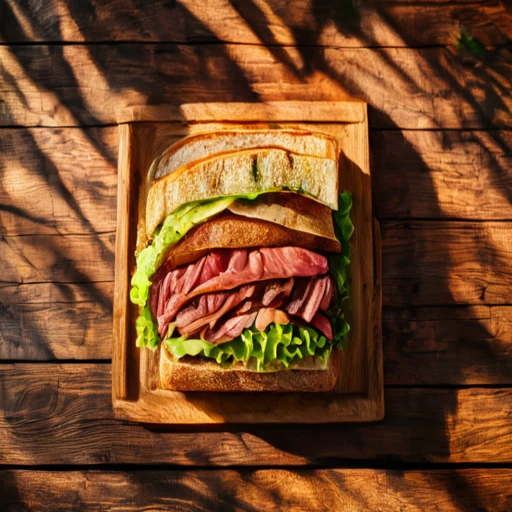
The culinary scene in Miami is a reflection of its diverse population. You can find everything from high-end seafood restaurants on South Beach to authentic Cuban sandwich shops in Little Havana.
A perfect meal might involve a traditional Cuban breakfast of *café con leche* and toast, or a late-night seafood feast by the water.
For those seeking more than just a meal, the activity spectrum is wide. You can take a structured airboat tour through the Everglades to see alligators, or you can opt for a more spontaneous day of renting bicycles to cruise through the palm-lined streets of South Beach.
When the sun goes down, the nightlife takes center stage. South Beach is famous for its club scene and rooftop lounges. While the energy is high, it is important to navigate this responsibly.
Some visitors prefer the high-energy beach clubs, while others look for more sophisticated cocktail lounges that offer a view of the Atlantic skyline. But how do you keep your trip running smoothly once you hit the ground?
Essential Traveler Intelligence
A traveler checks the local news on their phone, noting the seasonal weather patterns before heading out for the day. According to World Bank data, the United States recorded international tourist arrivals of 45,037,000 in 2020.
Safety and local dynamics are key to a smooth trip. While South Beach is generally safe for tourists, it is always wise to stay aware of your surroundings, especially late at night. Tipping is standard in American service culture; expect to tip 18% to 22% at restaurants.
Because of the tropical location, planning must account for the seasons. While it is always warm, the "wet season" can bring heavy afternoon rain showers. Additionally, understanding hurricane awareness is important for those traveling during the peak of the summer months.
Since the city is a cultural melting pot, a little Spanish goes a long way. While English is widely spoken, using basic Spanish phrases can foster a better connection with local vendors and residents.
| Feature | South Beach | Brickell / Downtown |
|---|---|---|
| Primary Vibe | High-energy, beach-centric, neon | Urban, professional, skyscraper-heavy |
| Best For | Nightlife, sun-seekers, tourists | Business, luxury shopping, transit access |
| Atmosphere | Casual, loud, vibrant | Sophisticated, fast-paced, metropolitan |
#



Comments 0