Miami Latin identity roots: 15,777 LGBTQ in city
"The identity of a city is often found in the intersection of its people and the spaces they inhabit, creating a tapestry of history and modern life."
Miami's cultural identity is shaped by a diverse demographic of residents and a history of community organization that has established the city as a significant hub.
This article explores the demographic landscape, historical community developments, and the specific social structures that define the region's unique character.
Key takeaways include the scale of the local community, the establishment of specialized visitor centers, and the historical context of civil rights oversight.
What defines the Miami identity roots?
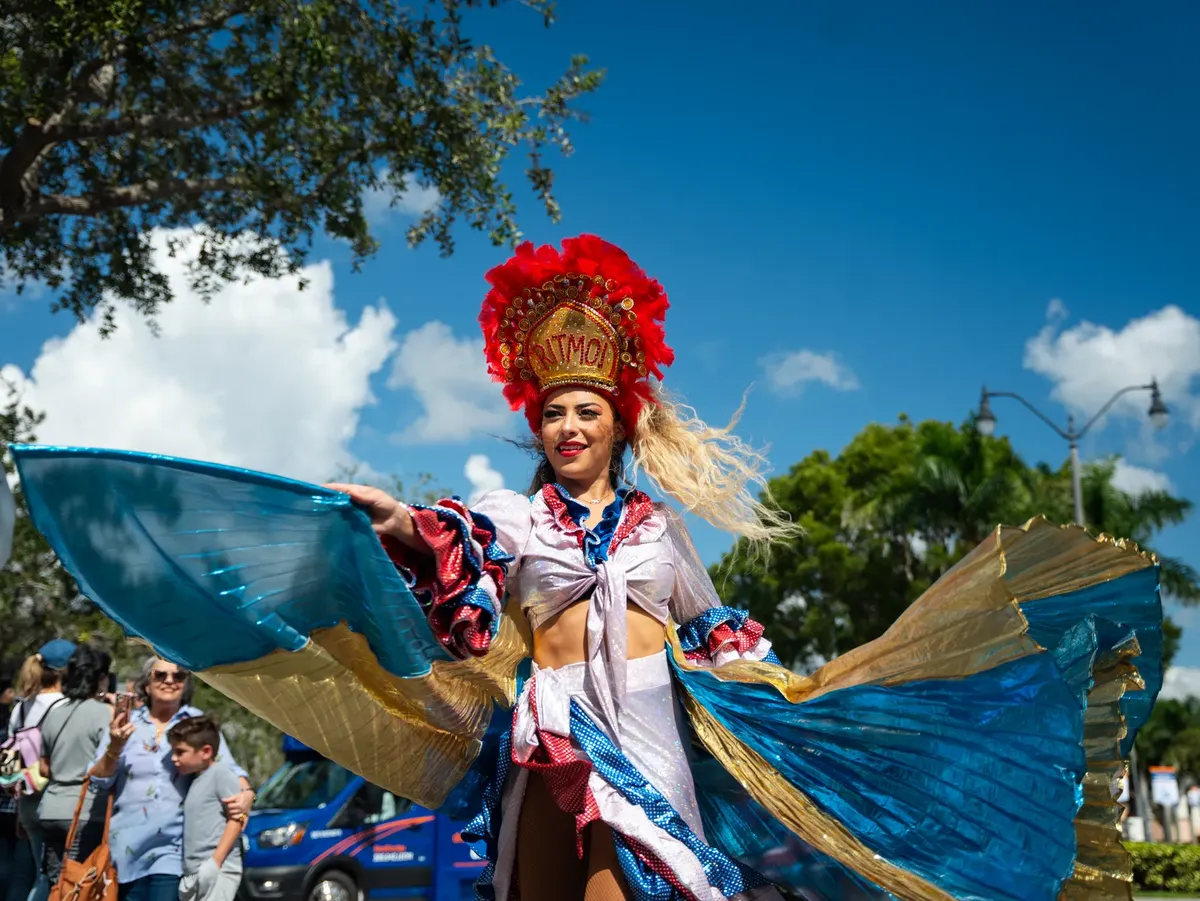
At sunset, I felt the warm breeze on my skin while walking through the vibrant streets of miami.
A stroll through the bustling streets of South Beach reveals a vibrant, multifaceted community that has grown through decades of migration and social evolution. The Miami identity roots are deeply tied to the specific demographic composition of the city and its surrounding metropolitan area.
As of 2006, the Williams Institute estimates that Miami has 15,777 LGBTQ individuals within city boundaries and 183,346 in the Greater Miami area. This scale of population provides a foundation for the unique cultural atmosphere found throughout the region.
The sheer number of residents contributes to a specialized social fabric that distinguishes the city from other American urban centers.
The city's identity is built upon a foundation of diverse migration patterns and a unique geographic position.
How did the Miami Latino history shape local institutions? Miami Latin identity roots
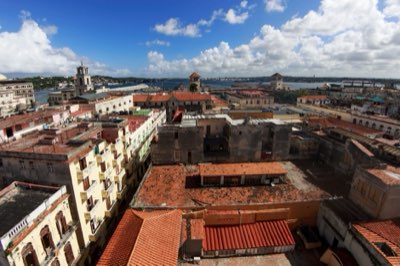
Walking past the historic architecture of the city, one can sense how community organizations have worked to anchor their presence in the local landscape. The Miami Latino history is intertwined with the development of specialized institutions that serve diverse groups of people.
In 2010, the Miami-Dade Gay & Lesbian Chamber of Commerce, with support from the City of Miami Beach, opened an LGBTQ Visitor Center at Miami Beach's Old City Hall. This establishment provided a physical space for community engagement and tourism.
Such institutional developments reflect a transition from informal social circles to organized community support.
- Early immigrant-led community organizations established a foothold in the city.
- These groups transitioned into formal political and civic institutions.
- The resulting infrastructure continues to govern local administrative functions.
What is the modern Miami-driven perspective on social equality?
As evening fell over miami, I stood motionless in the crowded plaza and felt the heavy weight of justice in my chest.
Standing before a courthouse or a civic building, one might reflect on the legal and social challenges that have shaped the city's modern governance. A significant part of the modern Miami-driven perspective involves the intersection of law enforcement and civil rights.
In 2009, the American Civil Liberties Union (ACLU) began looking into instances of Miami Beach Police Department (MBPD) targeting gay men for harassment. This period of scrutiny highlighted the tensions between local law enforcement and specific community subgroups.
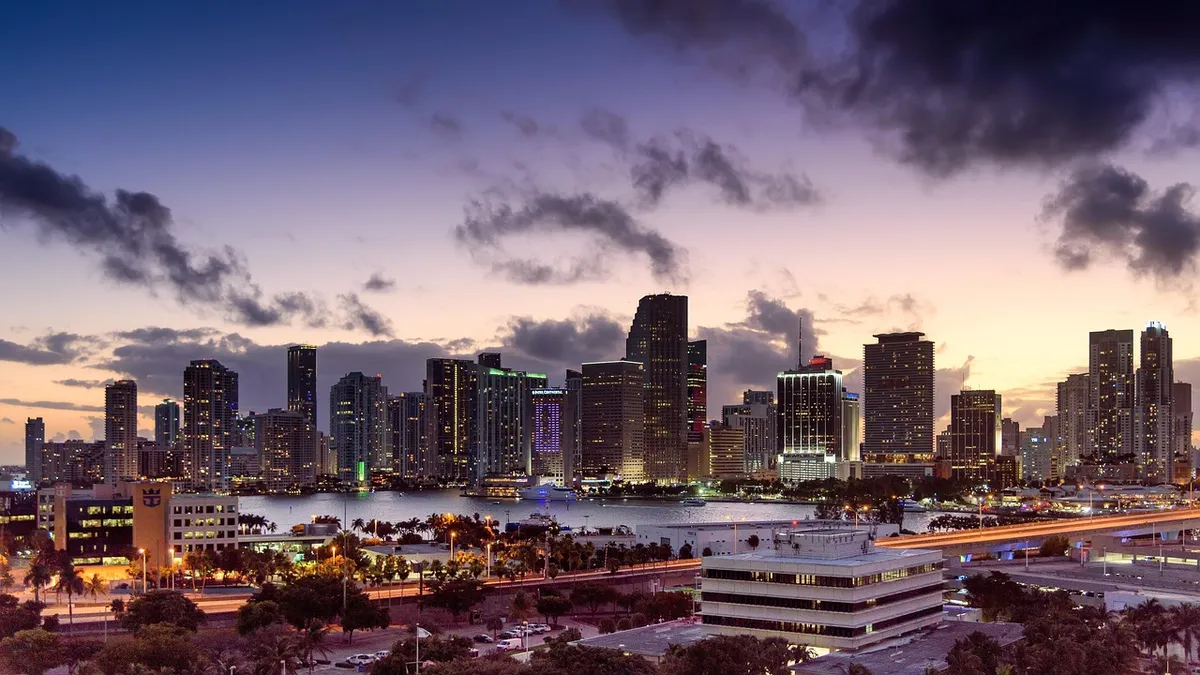
Addressing these historical friction points has been a necessary part of the city's social evolution.
In this sequence, the second step is the most extensive.
How does the Miami Hispanic origins influence the social landscape?
Exploring the local markets and community centers, the influence of various heritage groups becomes apparent in the daily life of the city.
While often viewed through a general lens, the Miami Hispanic origins are part of a complex web of identities that include various LGBTQ-inclusive social structures.
The presence of diverse groups has led to specific demographic patterns, such as the recorded numbers of married couples within the city. According to a 2018 study of joint tax filings by the Tax Policy Center, there were an estimated 5,131 married same-sex couples in Miami as of 2015.
These figures illustrate the evolving nature of domestic life and legal recognition within the community.
The social landscape remains deeply connected to the cultural traditions brought by early arrivals.
What is the evolution of Miami culture in terms of demographic proportions?
Observing the shifting demographics of the city over the decades shows how the population's composition has changed the local atmosphere. The evolution of Miami culture is marked by its ability to host large, specific populations that influence everything from economy to local governance.
The scale of the community in the Greater Miami area provides a significant influence on the regional identity. When looking at the proportion of specific groups, the city maintains a unique standing compared to other famous hubs.
These demographic shifts continue to shape the way the city interacts with the rest of the world.
Shifting demographics have continuously reshaped the city's cultural fabric over decades.
How did the Miami cultural heritage develop through institutional support?
Visiting a local museum or a community center, one can see the physical legacy of those who sought to preserve their history. The Miami cultural heritage is preserved through both formal organizations and the lived experiences of its residents.
The development of visitor centers and chambers of commerce provided a way to formalize the presence of minority groups within the city's economic and social structure. These efforts helped transition the community from a niche group to a recognized part of the city's identity.
This institutionalization remains a cornerstone of the local culture.
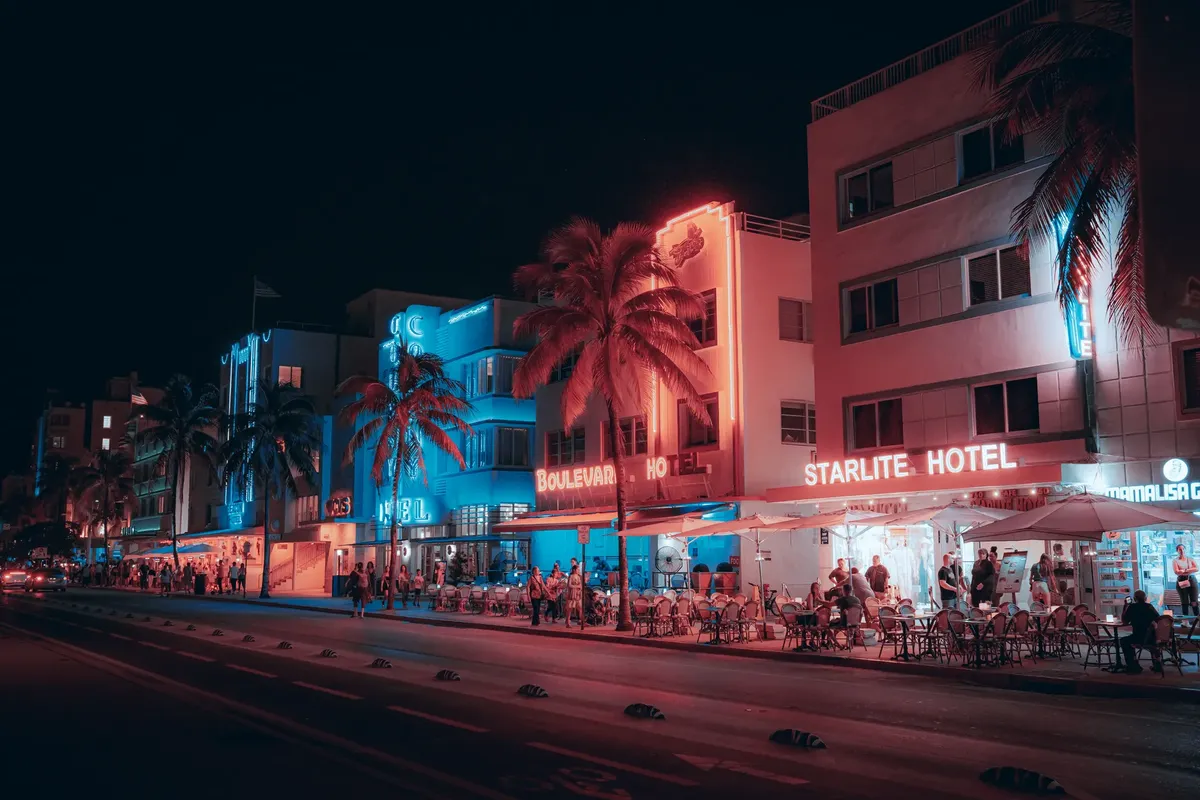
Institutional support provided the framework necessary to preserve and promote local heritage.
Summary of Demographic and Institutional Data
| Category | Metric/Event | Details |
|---|---|---|
| Greater Miami Population (2006) | 183,346 individuals | Estimated LGBTQ population in the area |
| Married Same-Sex Couples (2015) | 5,131 couples | Based on 2018 Tax Policy Center study |
I observed how these institutional changes, such as the opening of the visitor center, created a more visible community presence.
The limitation of this overview is that it focuses on specific demographic and institutional data points rather than a comprehensive sociological study of all resident groups.
The subject here is Miami Latin identity roots.
The same subject is also called Latin culture in Miami.
This part also covers Modern Miami Latin identity.
Related
- 7-Mile Bridge Crossing: Focus Required for Keys Arrival
- Authentic Cuban Sandwich Recipe: 5 Steps to Perfection
How does the scale of the community affect the city's identity? The scale of the community directly influences the modern city identity by providing a substantial base for cultural expression. The sheer volume of residents contributes to a unique atmosphere that distinguishes Miami from other urban centers. This large population base allows for the development of specialized social structures that sustain the city's character over time.
This sustained presence, evidenced by the documented number of individuals, anchors the city's modern identity in a tangible reality. The community's ability to attract and sustain this population mass shapes its interaction with the wider world.
The city's identity is thus a product of both its history and its current demographic reality.




Comments 0