Miami: Gateway to Latin America's Vibrant Heartbeat
"To taste Miami is to taste the heartbeat of the Caribbean and South America."
If you walk down Calle Ocho in Little Havana, you aren't just visiting a tourist attraction; you are stepping into a living, breathing cultural engine. To truly understand this city, you must look past the neon of South Beach and follow the scent of roasting coffee and garlic-heavy sofrito.
* Miami serves as the primary cultural and economic gateway to Latin America. * Authentic flavors are found in neighborhood hubs like Little Havana. * The city's year-round warmth and deep-rooted heritage make it a unique sensory destination.

Why is Miami the "Gateway to Latin America"?
The morning sun hits the sidewalk of SW 8th Street, reflecting off the polished chrome of a vintage car as the smell of strong espresso drifts through the humid air. According to the Census Bureau, Miami's population in 1970 was reported as 45.3% Hispanic.
You hear the rhythmic clacking of dominoes hitting a wooden table in a nearby park, a sound that has echoed through these streets for decades.
The city's identity is inseparable from its heritage. As of 2020, 70.2 percent of the city's population identified as Hispanic and Latino, creating a majority-minority environment that shapes every aspect of local life.
This deep-rooted connection to Latin America is why the city serves as a global hub for trade, culture, and migration.
To put this in perspective, the demographic landscape has shifted significantly over the decades. In 1970, the Census Bureau reported that Miami's population was 45.3% Hispanic, 32.9% non-Hispanic White, and 22.7% Black.
The transition to a majority-Hispanic city has infused the region with a specific, vibrant energy that distinguishes it from any other American metropolis.
This cultural vibrancy is supported by a stable environment. The region experiences virtually no freezing weather in its history, with very few instances of temperatures dropping below 40 °F (4 °C).
This consistent warmth allows for year-round outdoor markets, festivals, and sidewalk dining that keep the culture alive every single day.
But a city built on such a massive cultural foundation often leaves visitors wondering where the "real" city begins and the tourist version ends.
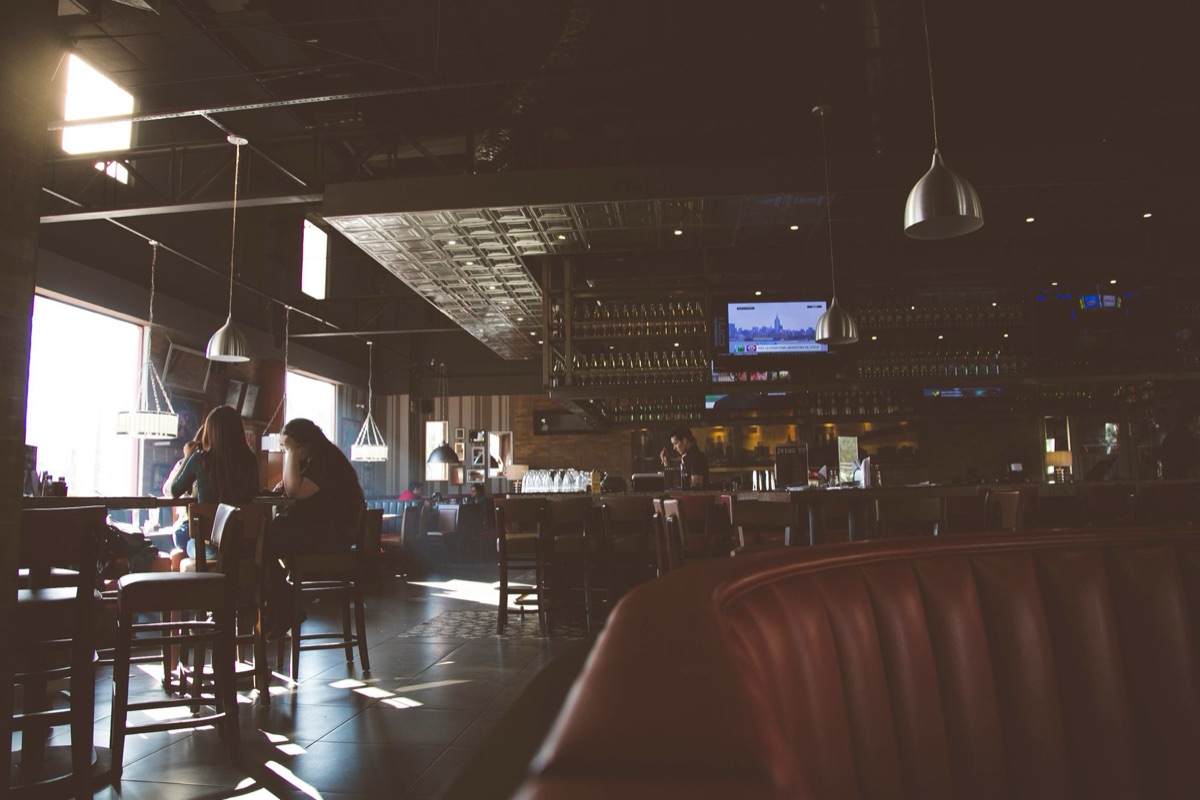
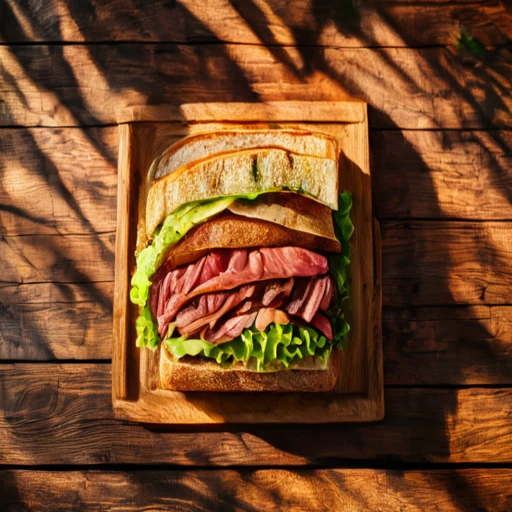
Where can I find the true spirit of Miami? A heavy, pressed sandwich sits on a wax-paper-lined plate, the melted cheese oozing slightly from the edges of crusty Cuban bread. You take a sip of a cafecito, the sugar hitting your system with a sudden, sweet jolt that wakes up your senses.
While South Beach offers glamour, the true soul of Miami is found in neighborhoods like Little Havana and Wynwood.
In Little Havana, the focus is often on traditional Cuban staples: the legendary Cuban sandwich (Cubano), croquetas, and much stronger, sweeter coffee than what you might find in a standard American cafe.
However, the dining scene is much broader than just one nation's cuisine. Depending on which neighborhood you wander into, you might find authentic Venezuelan arepas, Colombian empanadas, or Nicaraguan gallopinto.
The diversity of the Latin diaspora means that "Latin food" in Miami is a vast spectrum of flavors rather than a single menu.
When I first sat at a small corner table in Little Havana, I realized that the coffee wasn't just a drink; it was a social ritual that dictated the pace of the entire street. It made me realize that you can't just grab a cup and go—you have to stay and exist in the moment.
But knowing where to eat is only half the battle; you also need to know where to lay your head to make the most of your time.
Where should I stay to navigate Miami? You stand in a high-rise hotel in Brickell, looking out over a sea of glass and steel, then imagine yourself in a pastel-colored bungalow in South Beach. One feels like a bustling metropolis, the other like a breezy seaside escape.
Choosing where to stay depends entirely on your travel goals. If you want the classic, high-energy beach experience with Art Deco architecture, South Beach is the obvious choice.
For those looking for a more professional, urban atmosphere with easy access to high-end dining and transit, Downtown or Brickell offers a sophisticated alternative.
If you are traveling primarily for transit—perhaps catching a cruise or a flight—the airport area provides practical, often more budget-friendly lodging. For a more residential or upscale feel, areas like Coral Gables offer a lush, manicured environment that feels worlds away from the beach hustle.
| Area | Vibe | Best For |
|---|---|---|
| South Beach | High-energy, Art Deco, Beachfront | Nightlife & Beach Lovers |
| Brickell/Downtown | Urban, Sophisticated, Financial Hub | Business & Urban Explorers |
| Little Havana | Cultural, Historic, Authentic | Foodies & History Buffs |
| Airport Area | Practical, Convenient, Transit-focused | Short stays & Cruise travelers |
While picking a neighborhood is vital, you also need a plan for when you step outside your hotel door.
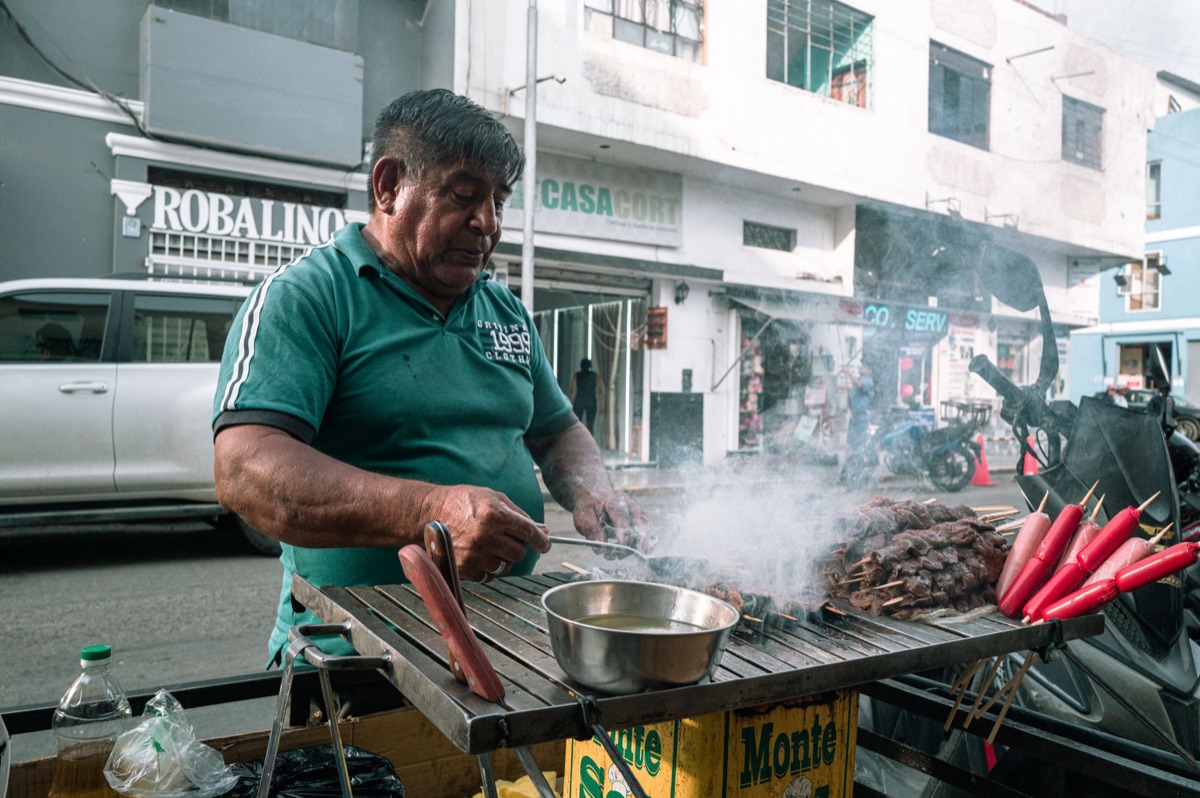
Beyond the City Limits: What are the best adventures nearby?
The car hums as you drive onto the long, elevated stretch of the Overseas Highway, the blue waters of the Atlantic on one side and the Gulf of Mexico on the other. The horizon seems to stretch forever, connecting the islands in a ribbon of asphalt.
According to the Pew Research Center, a 2014 study found that 68% of Miami's population practiced Christianity.
Miami is often just the starting point for larger adventures. A road trip to Key West via the Seven Mile Bridge offers a dramatic change of pace, moving from the urban sprawl to the tranquil, turquoise waters of the Keys.
For those who prefer nature over neon, the Everglades provide a wilder side of South Florida. Airboat tours through the sawgrass marshes allow you to see alligators in their natural habitat, offering a stark contrast to the city's manicured parks.
Whether you are heading south to the Keys or west to the wetlands, the diversity of the landscape is a major draw. However, even the best-planned adventure can hit a snag without the right local intelligence.
Essential Miami Travel Intel: How to make your trip seamless?
You check your phone to see the local time, noting the humidity rising as the sun begins to set. You remember to use a few Spanish phrases you learned, noticing how a simple "gracias" or "por favor" often softens a transaction.
According to the World Bank, the United States recorded 45,037,000 international tourist arrivals in 2020.
To ensure your trip goes smoothly, follow this essential checklist:
- Pack for Humidity: Bring light, breathable fabrics like linen or cotton. A single rain jacket is also essential for sudden tropical showers.
- Master the Language: While English is common, practicing basic Spanish will greatly enhance your interactions in local neighborhoods.
- Plan for Heat: Stay hydrated. The combination of heat and humidity can be draining; always carry water when walking outdoors.
- Understand Tipping: Standard American tipping applies. Aim for 18% to 20% in restaurants to ensure good service.
- Stay Aware: Keep an eye on your surroundings when moving between districts at night, especially in busy tourist areas.
Regarding safety, it is wise to stay aware of your surroundings, especially when moving between different districts at night. The transition from a sunny afternoon to a humid, busy evening can change the energy of a street instantly.
But what happens when the sun goes down and the city changes its skin?
Miami After Sunset: Embracing the Nightlife Scene?
The bass from a nearby club thumps rhythmically against the sidewalk, and the rooftop lounge above is glowing with ambient violet light. You hold a cocktail in hand, looking out over the city lights as the evening heat begins to mellow.
When the sun goes down, Miami transforms. For a more relaxed evening, rooftop bars in Brickell offer stunning views of the skyline and a sophisticated atmosphere.
If you are looking for something more energetic, the clubs in South Beach provide a high-octane environment that stays active until the early morning hours.
For a more curated experience, look for boutique lounges that blend local art with modern mixology. These spots often provide a more intimate setting to enjoy the city's nightlife without the overwhelming crowds of the larger clubs.
#


Comments 0