Miami Living: Choosing Your Base in South Beach vs. Brickell
"Miami is more than a postcard view; it’s a vibrant, complex ecosystem. Navigate its energy safely with this local's playbook."
Whether you are landing at MIA to catch a cruise or driving down the Overseas Highway, Miami requires a specific kind of preparation. It is a city of high contrasts, where luxury high-rises meet historic street corners, and where the tropical heat is as much a character as the people.
Key Takeaways * Neighborhood Dynamics: Understand the difference between high-energy coastal zones and urban financial hubs. * Cultural Immersion: Embrace the Latin heartbeat—it’s the city’s true DNA, from cuisine to pace.
* Logistics Mastery: Pre-plan your transit to avoid costly rookie mistakes during cruise departures. * Weather Readiness: Pack for high humidity and sudden tropical downpours.
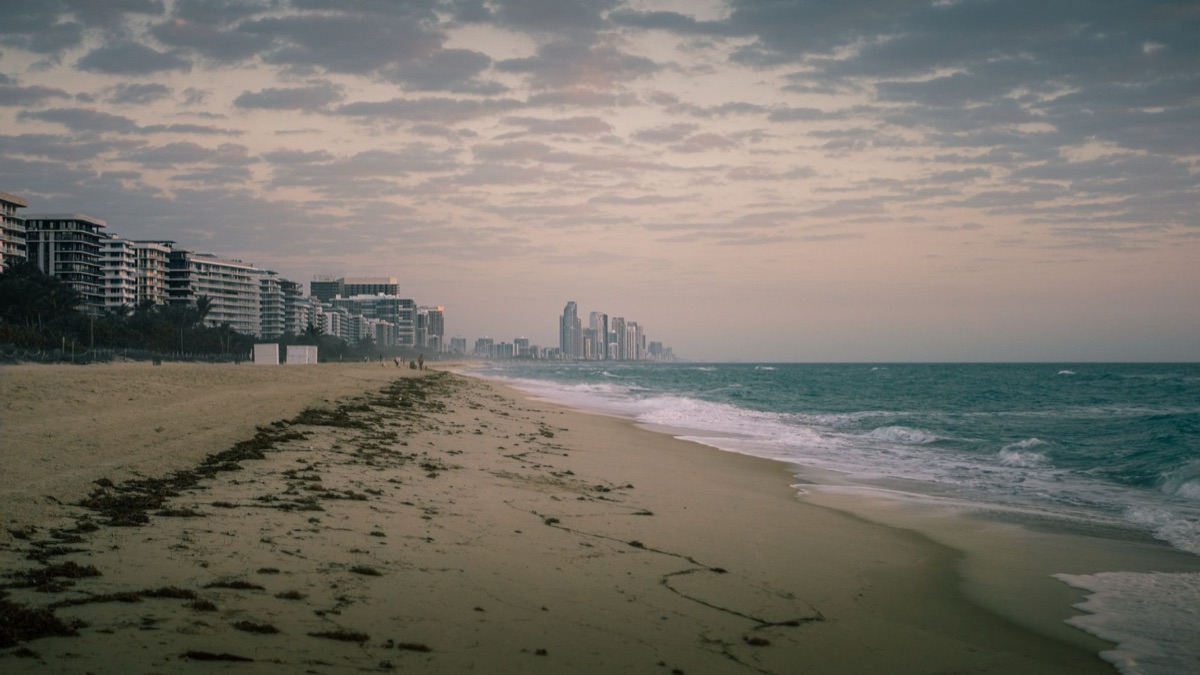
Should I stay in South Beach, Downtown, or near the airport? I remember standing on a balcony in Brickell in late 2025, looking toward the Atlantic, trying to decide if I should move my bags to the beach or stay in the city center. The choice between these neighborhoods dictates your entire relationship with the city.
According to World Bank data, the United States recorded international tourist arrivals of 45,037,000 in 2020.
South Beach is the high-energy heart of the Art Deco district, perfect if your goal is immediate beach access and late-night pulses. However, you will pay a premium for that ocean breeze, and the noise levels can be intense.
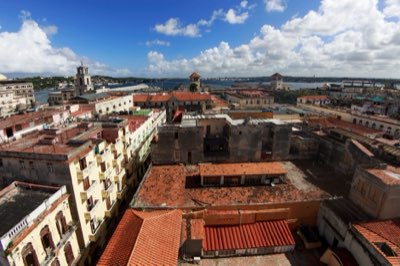
Downtown and Brickell offer a different, more polished energy. This is the financial hub, characterized by modern skyscrapers and upscale dining. It is much more walkable for business travelers or those who prefer a metropolitan feel over sand.
Then there are the airport-adjacent areas and gateway towns. These are highly practical for those on a tight budget or those with early morning cruise departures, but they lack the immediate "vacation feel" of the coast.
| Neighborhood | Primary Vibe | Best For |
|---|---|---|
| South Beach | High-energy, Art Deco | Nightlife & Beach lovers |
| Brickell/Downtown | Modern, Urban, Chic | Business & Upscale dining |
| Airport/Gateway | Practical, Transit-focused | Budget & Cruise departures |
Your decision should hinge on your primary objective. If you want to wake up and step onto the sand, South Beach is unbeatable, but if you want to explore the city's corporate and culinary growth, look toward Brickell.
How can I stay safe while navigating Miami? Walking through a crowded market in Little Havana, I noticed how quickly the atmosphere shifts when you step off the main thoroughfare. Situational awareness is your most valuable asset in South Florida.
Safety in Miami often comes down to understanding neighborhood boundaries. While most tourist corridors are heavily patrolled, it is vital to remain aware of your surroundings, especially when moving between districts at night.
Parking logistics can be a headache. In areas like South Beach, street parking is limited and often expensive, with hourly rates sometimes exceeding $25 per hour during peak weekend windows. Always verify permit requirements before leaving your vehicle.
If you are using ride-share services, be mindful of pickup locations in high-traffic zones.
Since 2020, Miami has maintained a deeply diverse identity, with 70.2 percent of the city's population identifying as Hispanic and Latino. This makes Spanish a vital tool.
Learning basic phrases like *"¿Dónde está...?"* (Where is...?) or *"Gracias"* helps bridge cultural gaps and shows respect to the local community.
Regarding seasonal concerns, remember that South Florida is subject to tropical weather patterns. While the city is built for heat, staying informed about local weather alerts is essential for safe travel.
🚤 Beyond the City Limits: Cruise & Key West Expeditions
I once arrived at the Port of Miami in 2025 with three heavy suitcases and a tight schedule, realizing too late that my hotel was 12 miles away from the terminal. Logistics errors like this can ruin a perfect trip.
If you are heading out on a cruise, follow this 3-step preparation checklist to ensure a smooth departure:
- The 24-Hour Buffer: Book a hotel within a 5-mile radius of the Port of Miami for the night before your cruise to avoid transit delays.
- Luggage Strategy: If checking in early, confirm with your hotel if they can hold 3+ bags for a full day before your cruise departure.
- The Transit Window: Aim to arrive at the terminal at least 3 hours before your scheduled boarding time to account for South Florida traffic.
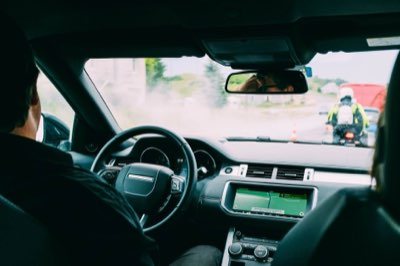
For those heading to Key West, the drive is an experience in itself. The Overseas Highway takes you over stunning stretches like the Seven Mile Bridge. Break the trip into segments, stopping at various keys to enjoy the water views rather than rushing through the drive.
Activity pairing is also key. If you are traveling with a large group, consider booking private boat tours in Biscayne Bay rather than crowded public excursions. This allows for a more controlled and comfortable experience.
🍜 Fueling Your Journey: A Taste of Miami’s Melting Pot
Sitting in a small, dim cafe in Little Havana, the smell of strong, dark espresso and fried dough fills the air. This is where the true soul of Miami resides.
According to a 2014 Pew Research Center study, Christianity was the most-practiced religion in Miami, with 68% of the population identifying as such.
To eat well, you must look beyond the flashy tourist traps. Authentic Cuban cuisine is found in small, family-run spots where the menu might be limited but the flavors are deep. Look for places where locals are congregating for their morning *cafecito*.
You must try the local specialties. This includes the ritual of Cuban coffee, which is thick and potent, and the seasonal tradition of Stone Crab. When dining, remember that "local gems" often don't have flashy signs; they have lines of local residents.
Distinguishing between a tourist trap and a local favorite often comes down to the menu. If a restaurant tries to serve every type of food under the sun, it is likely not authentic. Stick to specialized menus that focus on specific Latin or seafood traditions.
☀️ Miami’s Climate & Culture: What to Expect
The humidity hit me the moment I stepped out of the terminal in 2026, a thick, warm blanket that makes the air feel heavy. It is a constant reminder that you are in a tropical environment. As reported by the Census Bureau, Miami's population was 45.3% Hispanic in 1970.
With most Miami-Dade cities joining in the 2023 USDA update, Miami Beach has virtually no freezing weather in its history.
The weather is driven by the Gulf Stream, providing year-round warmth. However, understand the difference between the wet and dry seasons. During the wetter months, sudden, heavy downpours can occur, so a light waterproof layer is a necessity.
The cultural roots of the city are inseparable from its weather and geography. The deep Hispanic influence, which makes up a massive portion of the population, shapes everything from the architecture to the late-night dining culture.
🌙 After Dark: Miami’s Pulse
The transition from a quiet sunset to a neon-lit street happens almost instantly in Miami. One moment you are watching the tide, and the next, you are surrounded by the pulse of a world-class nightlife scene.
The nightlife scene is diverse. You can choose between high-energy clubs in South Beach, chic rooftop bars in Brickell, or laid-back beach clubs along the coast. Each offers a completely different atmosphere.
It is important to maintain a responsible approach. While the energy is high, staying mindful of your surroundings and your own limits ensures that the nightlife remains an enjoyable part of your journey.
The scene is dynamic and constantly evolving. What is popular one month might change the next, so always check local listings for the most current events and venues.
#


Comments 0