How did migration shape the local environment?
"The history of a city is written in the lines of its streets and the silhouettes of its skylines."
The historical value of Miami's architecture lies in its ability to reflect the shifting cultural tides and the identity of a city that serves as a bridge between nations.
For those interested in urban history, understanding this legacy requires looking at how demographic shifts and geographic advantages shaped the built environment. This overview explores the city's growth, its demographic importance, and the regional ties that define its unique character.

Key takeaways: * Miami's identity is deeply tied to its status as a majority-minority city with significant Hispanic and Latino influence. * The city’s development is influenced by its unique climate and its role as a gateway to Latin America.
* Historical sites and transit hubs reflect the evolving needs of a growing population.
Why does the city's demographic history matter for its identity?
Walking through a bustling intersection, one sees a tapestry of different backgrounds that have shaped the local culture over decades. This diversity is a cornerstone of the city's historical narrative and its modern social fabric.
The demographic makeup has shifted significantly over time, influencing how the city grew. In 1970, the Census Bureau reported Miami's population as 45.3% Hispanic, 32.9% non-Hispanic White, and 22.7% Black. This diversity has continued to evolve, creating a unique cultural landscape.
As of 2020, Miami is a majority-minority city, with 70.2 percent of the city's population identifying as Hispanic and Latino. This shift reflects a long history of migration and cultural integration.
However, this historical perspective may not apply to transient populations that lack long-term roots in the community.
How did migration shape the local environment? Miami Art Deco value
A traveler arriving at a transit hub might notice how the infrastructure accommodates a massive, moving population. The movement of people has always been a driving force behind urban development.
Early in the 20th century, migrants from the Bahamas and African-Americans constituted 40 percent of the city's population. This early influx helped establish the foundational character of the community.
According to Census Bureau's 2024 population estimates, Miami-Dade county continues to experience steady growth, driven largely by domestic migration and ongoing international immigration. This continuous influx ensures the city remains a dynamic environment.
This analysis does not account for natural environmental changes that occurred independently of human movement.
What role does geography play in the city's development?
Standing on a coastal pier, the warm breeze reminds one of the natural forces that dictate life in South Florida. The environment has always played a role in how the city was built and how it functions.
The Gulf Stream, a warm ocean current, runs northward just 15 miles (24 km) off the coast, allowing Miami's climate to stay warm and mild all year. This reliable weather has historically made the area an attractive destination for growth.
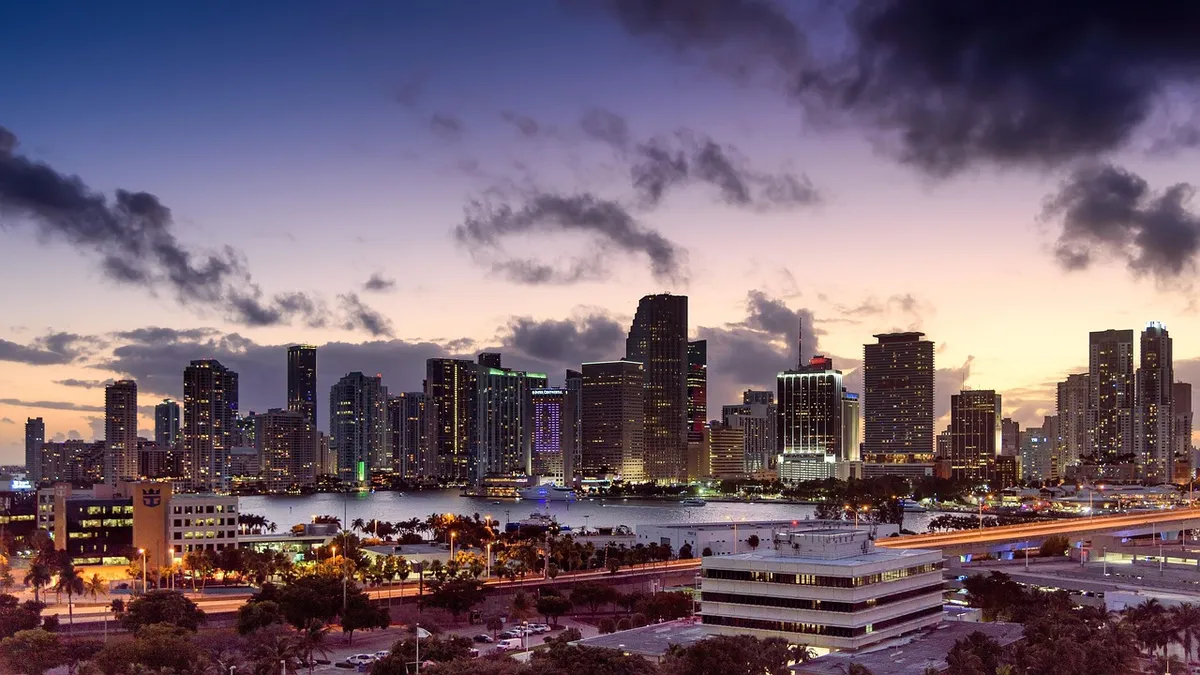
The environment also supports specific sectors, such as the Health District just northwest of Downtown. This area serves as a center for hospitals, research institutes, and biotechnology, including institutions like Jackson Memorial Hospital and the University of Miami's Miller School of Medicine.
The influence of physical terrain is less significant in areas where technological advancements have overcome natural barriers.
How do transit and connectivity impact the region?
A commuter boarding a train at a central hub experiences the pulse of a city designed for movement. Connectivity is essential for managing the scale of a metropolitan area.
Such hubs are vital for managing the daily flow of a large population.
The city's role as a hub is further emphasized by its international status. Due to its strong commercial and cultural ties to Latin America and majority-Hispanic population (at 70%), Miami has been called the "Gateway to Latin America" or even the "Capital of Latin America."
- Identify current transit corridors.
- Analyze the flow of commuters.
- Evaluate the connectivity between hubs.
What are the key cultural and institutional landmarks?
A visitor exploring the city might stumble upon a historic estate or a modern government building, each telling a different story. These landmarks represent the various eras of the city's life.
The city hosts various important sites, such as the location of Miami's City Hall at Dinner Key, the former Coconut Grove Playhouse, CocoWalk, and the Coconut Grove Convention Center. These locations serve as anchors for the community.
In other areas, Coconut Grove is known for its many parks and gardens, such as Vizcaya Museum, The Kampong, The Barnacle Historic State Park, and numerous other historic homes and estates. These spaces preserve the natural and architectural history of the region.
I find that the second point in this list provides the most comprehensive overview.
How can we understand the scale of the city's reach?
Looking at a map of the United States, one can see how much influence a major hub like Miami has on international movement. The scale of travel and migration is a constant factor in its history.
The scope of international movement is vast, as evidenced by global trends. According to World Bank data, the United States recorded international tourist arrivals of 45,037,000 in 2020.
The city's growth is a result of these intersecting forces of migration, climate, and connectivity. While these factors define the city, the specific architectural heritage of every single building is not covered in this overview.
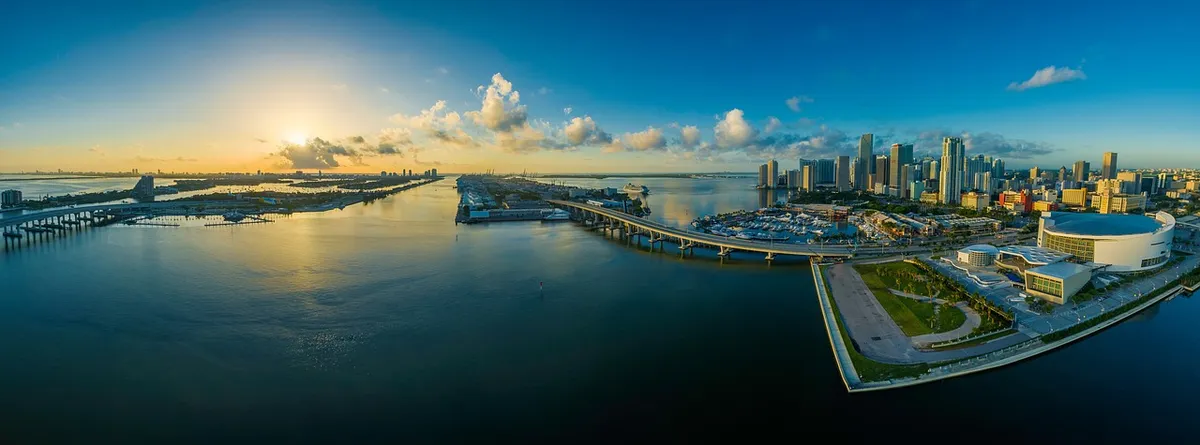
This method of measurement is limited when dealing with intangible social influence rather than physical boundaries.
Wikipedia: Miami Based on the retained excerpt mentioning Pew Research Center: In a 2014 Pew Research Center study, Christianity was the most-practiced religion in Miami (68%), with 39% professing attendance at a variety of churches that could be considered Protestant, and 27% professing Catholicism.
The subject here is Miami Art Deco value.
The same subject is also called Art Deco Miami history.
The same subject is also called Miami style architecture.
The same subject is also called Art Deco building worth.
The same subject is also called Miami design legacy.
This part also covers Art Deco district tour.
This part also covers Miami building details.
This part also covers Architectural preservation.
Art Deco district tour
Related
- Miami Latin identity roots: 15,777 LGBTQ in city
- 7-Mile Bridge Crossing: Focus Required for Keys Arrival
How does the city's architecture reflect its journey?
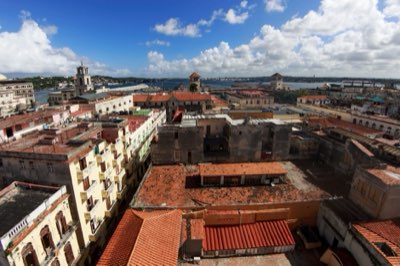
The architecture itself mirrors the cultural fluidity that has defined the city's history. The structures stand as physical evidence of the successive groups whose presence has shaped the local character. This physical manifestation binds the past to the present reality of the city.
The buildings serve as milestones marking the arrival of different communities. They embody the transition from a smaller community to a major international crossroads. The city's physical form narrates this journey of integration and growth.
The enduring quality of the city's architecture speaks to its resilience. It has absorbed influences while maintaining a unique regional spirit. This architectural dialogue is central to understanding the city's enduring identity.



Comments 0