Miami Art Deco: 20th Century Glamour Meets Tropical Breeze
"The architecture of Miami Beach is not just a backdrop for a vacation; it is a living, breathing time capsule of the American Dream and the tropical allure of the twentieth century."
Miami’s Art Deco district serves as the architectural soul of the city, representing a golden era where geometry and glamour met the Atlantic breeze. For the traveler, it is the difference between seeing a city and feeling its history.
Key Takeaways * Art Deco represents the peak of Miami’s early 20th-century boom, driven by a desire for modernism and luxury. * The style reflects Miami’s identity as a cultural crossroads, blending global trends with tropical necessity.
* Exploring the district offers a deep historical narrative that elevates a standard beach trip into a cultural journey.
What is Art Deco and Why Did Miami Embrace It?
The sun hits the pastel-colored facade of a building on Ocean Drive, casting long, sharp shadows across the sidewalk at 10:00 AM. The lines are clean, the curves are smooth, and the feeling is one of organized elegance.
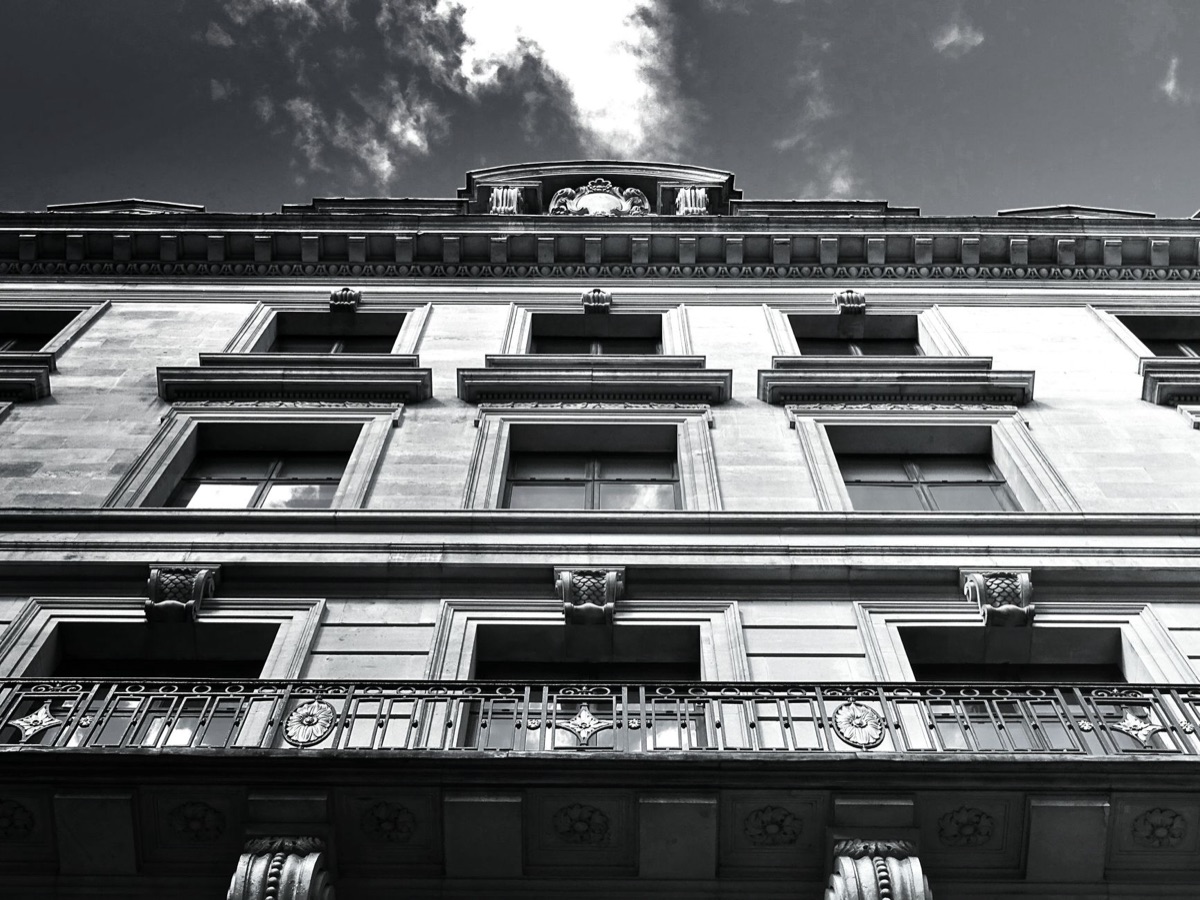
Art Deco is a global movement characterized by geometric shapes, streamlined forms, and an emphasis on luxury and modernity. While it flourished in cities like Paris and New York, it found a unique, tropical voice in Miami.
During the mid-1930s, as the world grappled with economic shifts, Miami saw an influx of people looking toward the promise of a new, sunny frontier.
This era of growth provided the perfect canvas for architects to experiment with "Streamline Moderne," a subset of Art Deco that borrowed from the sleek lines of ocean liners and locomotives.
The architecture is defined by verticality and symmetry. You will see repeated motifs like zigzags, sunbursts, and chevrons. Instead of the heavy, ornate stone of European classical styles, Miami’s version utilized stucco, glass block, and neon.
This was a style built for the future, intended to look fast, efficient, and sophisticated. The transition from the heavy styles of the early 1900s to this lightweight, aerodynamic look mirrored the city's own rapid evolution.
The shift toward this style was not just an aesthetic choice; it was an economic and social one. The ability to build upward and use modern materials allowed for a density and flair that suited a growing tourist destination.
But why did this specific style stick so firmly to the coast when other cities chose different paths?
Tracing the Roots: How Did the Style Shape Miami's Identity?
Walking through the streets of South Beach, the mixture of languages and the scent of Cuban coffee remind you that you are in a place where worlds collide.
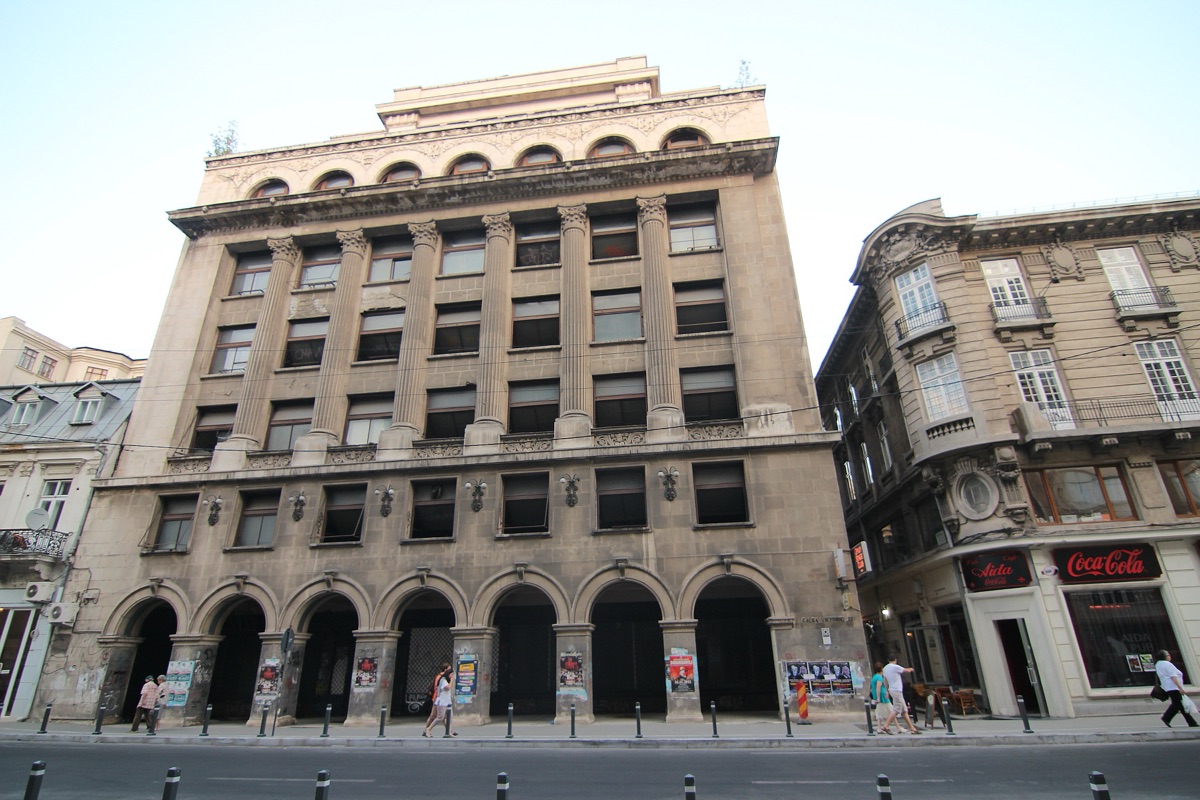
The architecture of the district is a physical manifestation of Miami's demographic history. During the early 20th century, the city was a melting pot; for instance, migrants from the Bahamas and African-Americans constituted 40 percent of the city's population during that era.
This diversity helped shape the unique character of the region long before it became the global hub it is today.
As the decades progressed, Miami solidified its role as the "Gateway to Latin America." This identity was bolstered by a massive and growing Hispanic and Latino population, which as of 2020, accounted for 70.2 percent of the city's population.
The Art Deco district, with its bold colors and expressive shapes, resonated with this vibrant, multicultural energy.
The architecture didn't just house people; it reflected the outward-looking, cosmopolitan spirit of a city that was constantly bridging the gap between the United States and the Caribbean and Latin American worlds.
This "gateway" status meant that the architecture had to be more than just functional; it had to be an invitation. The bright colors and playful shapes helped establish Miami as a destination that felt distinct from the gray, industrial landscapes of the North.
However, seeing the buildings is only the first step. The real magic happens when you learn how to actually experience them.
Beyond the Buildings: How Do You Navigate the Art Deco Experience?
A local walking tour guide points toward a restored hotel, and you realize the neon sign isn't just a light—it's a landmark. According to the World Bank, the United States recorded international tourist arrivals of 45,037,000 in 2020.
Today, the Art Deco district exists as a delicate balance between a living museum and a functional urban center. Preservation is the cornerstone of the district's survival.
Many of these buildings serve as boutique hotels, residential apartments, and trendy offices, meaning the history is not tucked away in a museum but is part of the daily hustle and bustle.
When I first walked through the district, I was struck by how the scale of the buildings felt intimate yet grand, never overwhelming the pedestrian. Navigating the district is best done on foot.
The most concentrated collection of these gems is found in the South Beach area, where the streets are laid out in a grid that makes walking intuitive.
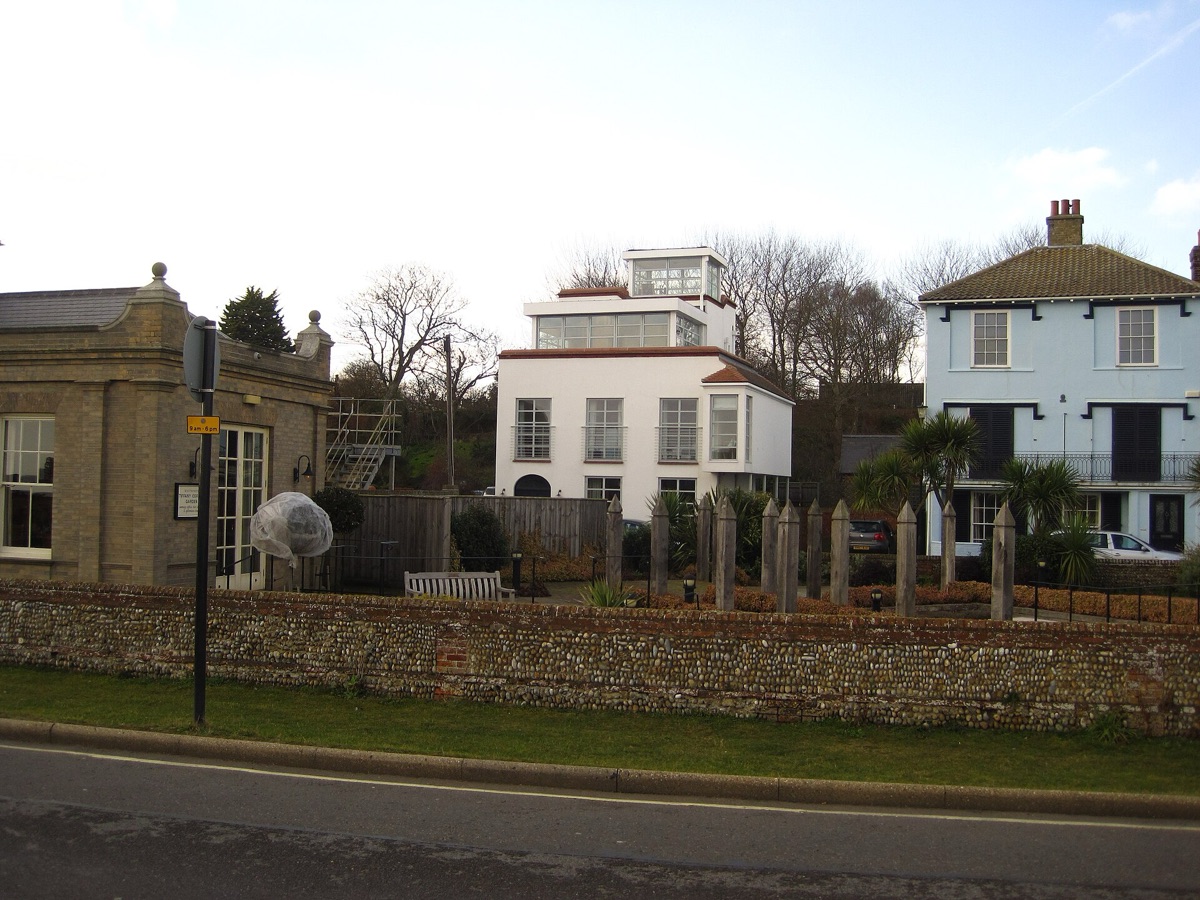
When visiting, it is helpful to look for the "Streamline" elements—the rounded corners and horizontal lines that make buildings look like they are moving through the air. The preservation of these structures tells a story of resilience.
There were times when these buildings were considered outdated or eyesores, but the community fought to recognize their value.
This effort turned a collection of aging buildings into a globally recognized historic district, proving that architectural heritage can be a primary driver of modern urban identity. But how do you actually make the most of a visit?
The Perfect Day: How to Experience the District
You sit on a rooftop lounge at dusk, watching the neon lights flicker to life against a purple sky, a cocktail in hand.
To truly appreciate the architecture, you cannot just glance at it from a car window. You need a plan to catch the light and the mood at different times of the day.
A Step-by-Step Guide to an Art Deco Walking Tour
- The Morning Light Walk (9:00 AM – 11:00 AM): Start on Ocean Drive. The morning sun hits the pastel facades at an angle that highlights the texture of the stucco and the depth of the geometric carvings.
- The Midday Detail Check (11:30 AM – 1:00 PM): Move toward Collins Avenue. Look up at the glass blocks and the metalwork. This is the time to notice the "Streamline" curves and the way the buildings seem to taper toward the sky.
- The Lunchtime Retreat (1:00 PM – 2:30 PM): Find a local cafe in a restored building. Sitting inside a space with high ceilings and original terrazzo floors gives you a sense of the interior scale.
- The Evening Neon Transition (6:00 PM – 8:00 PM): Return to the main strip as the sun sets. This is when the neon signs—the heartbeat of the district—begin to glow, transforming the streets into a cinematic landscape.
The grandeur of the architecture provides a sense of place that makes the luxury of a cruise or a high-end hotel feel even more intentional and grounded in history.
| Feature | Traditional Architecture | Art Deco / Streamline Moderne |
|---|---|---|
| Primary Focus | Ornate, heavy, classical | Geometric, sleek, streamlined |
| Materials | Stone, heavy wood, masonry | Stucco, glass block, neon, chrome |
| Atmosphere | Formal and permanent | Dynamic and optimistic |
| Miami Context | Early colonial/settler styles | The "Golden Age" and modern boom |
Choosing to stay in an Art Deco hotel versus a modern skyscraper in Brickell is a choice between living inside a piece of history and living in the future. For many, the Art Deco backdrop is what makes the "Miami Vibe" truly unique compared to other coastal cities.
Preserving the Legacy: Why Does the History Still Matter?
A group of students sketches a building facade, while a businessman walks past, his phone reflecting the neon glow. With most Miami-Dade cities joining in the 2023 USDA update, Miami Beach has virtually no freezing weather in its history and few instances of sub-40 °F (4 °C) weather.
The economic value of the Art Deco district cannot be overstated. It is a cornerstone of Miami's brand and a massive driver of tourism revenue. By preserving these buildings, the city has ensured a constant stream of visitors who come specifically to experience this unique visual landscape.
This preservation isn't just about nostalgia; it is a strategic economic asset. Culturally, the architecture serves as a bridge between generations. It reminds residents and visitors alike of the era when Miami was carving out its own unique identity on the world stage.
The preservation of these landmarks ensures that the story of the city's growth, its migrations, and its cultural shifts remains visible to anyone walking the streets.
FAQ
Is the Art Deco district safe to walk through? Yes, the district is a major tourist hub and is generally well-patrolled and busy. However, as with any major city, it is wise to remain aware of your surroundings and stick to well-lit, populated areas, especially at night.
When is the best time to see the architecture? Daytime is perfect for seeing the textures and colors, but the district truly comes alive at night when the neon lighting is activated. Combining a morning walk with an evening stroll gives you the most complete experience.
Can I visit the inside of these historic buildings? Many Art Deco buildings are hotels or restaurants that welcome the public. However, some are private residences. Always check if a building is a public space before attempting to enter.
How long should I dedicate to an architectural tour? A focused walking tour can take anywhere from two to four hours. If you want to explore the smaller details and grab coffee at local spots, plan for a half-day.
The legacy of Miami's Art Deco is more than just a collection of beautiful buildings; it is the heartbeat of a city that refused to be ordinary.
Whether you are here for the history, the culture, or the sunshine, the architecture ensures that your time in Miami will be visually and emotionally unforgettable.





Comments 0