90s to Today: Miami's Evolving Tapestry of Cultures
"The scent of caramelized sugar and strong espresso is the true compass of the Magic City."
Miami is not just a destination of neon lights and white sand; it is a living, breathing intersection of history and flavor. The soul of the city is found in the steam rising from a tiny cup of *cafecito*, a ritual that connects the modern metropolis to the deep migratory roots of the Caribbean.
Key Takeaways * Miami’s identity is intrinsically tied to its deep Latin roots, making it a cultural crossroads. * Cuban coffee represents a tangible taste of this powerful cultural migration and fusion. * The city’s appeal is amplified by its unique position as a gateway to Latin America.
Miami: More Than Just a City – A Cultural Melting Pot
The humidity hits you the moment you step out of Miami International Airport, carrying the scent of salt and blooming jasmine. You walk through the terminal and hear a symphony of Spanish, English, and Portuguese, a linguistic blend that defines the local rhythm.
According to the Census Bureau, Miami's population was reported as 45.3% Hispanic in 1970.
According to a 2014 Pew Research Center study, Christianity was the most-practiced religion in Miami with 68% of the population.
Miami has never been a monolithic entity; it is a majority-minority city where the influence of the Caribbean and Latin America is the dominant force. This isn't just a recent shift, but a long-standing demographic reality that has shaped every street corner and architectural detail.
The city serves as a massive cultural sponge, absorbing traditions and re-exporting them to the world.
While the world sees a global hub and a massive cruise port, the local reality is much more nuanced. The city functions as a bridge, where the traditions of Havana, San Juan, and Bogotá meet the economic engine of the United States.
This fusion creates a unique energy that you won't find in any other American metropolis.
But how did this specific blend of people and traditions settle so permanently into the soil?
The Ritual of Cuban Coffee: A Taste of Migration
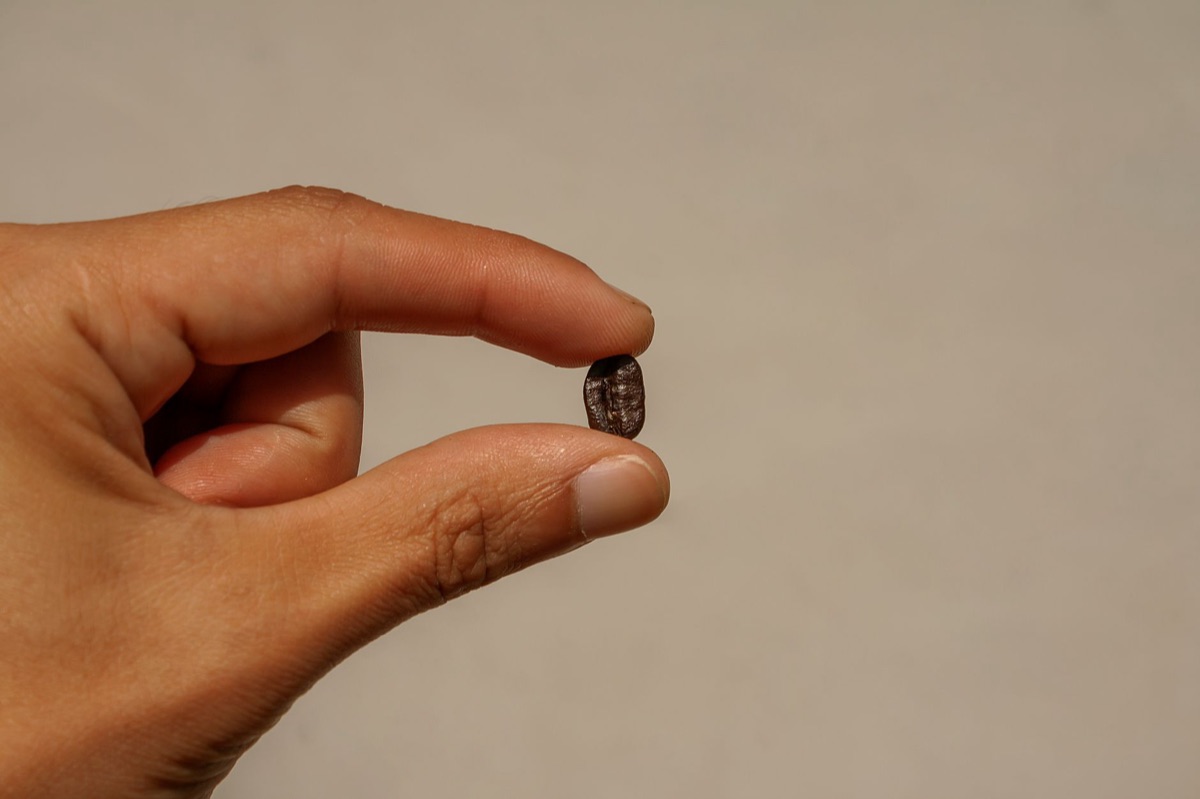
At a small, stainless-steel cafe in Little Havana, the sound of a metal spoon hitting a ceramic cup creates a rhythmic clinking. The barista pulls a shot of espresso, and the thick, dark *espumita*—the sugary crema—settles at the bottom of the cup.
As noted by the World Bank, the United States recorded an agricultural land share of 46.1% in 2023.
This tiny cup of coffee is more than a caffeine fix; it is a vessel of history. For many families, the recipe and the ritual were brought over during waves of migration, serving as a portable piece of home.
The coffee represents the resilience and the communal spirit of the people who rebuilt their lives in South Florida.
Historically, migration patterns were often specific and concentrated. For instance, early migrations to Cuba and the subsequent movements to the U.S.
often involved specific demographic shifts, such as the nearly entirely male Chinese "coolie" population that migrated to Cuba, where women made up only about 1% of the group.
While the modern Miami population is vastly more diverse, the spirit of those early, concentrated movements helped seed the intense cultural pockets we see today. The coffee is the liquid thread that ties these generations together.
When I first sat at a corner table on Calle Ocho, watching the steam rise from a $2.50 espresso, I realized the coffee wasn' much a drink and more of a social contract.
The warmth of the cup is nothing compared to the warmth of the conversation, yet the weather plays a massive role in how these social rituals unfold.
Why Does the Sun Always Shine? The Truth About the South Florida Climate
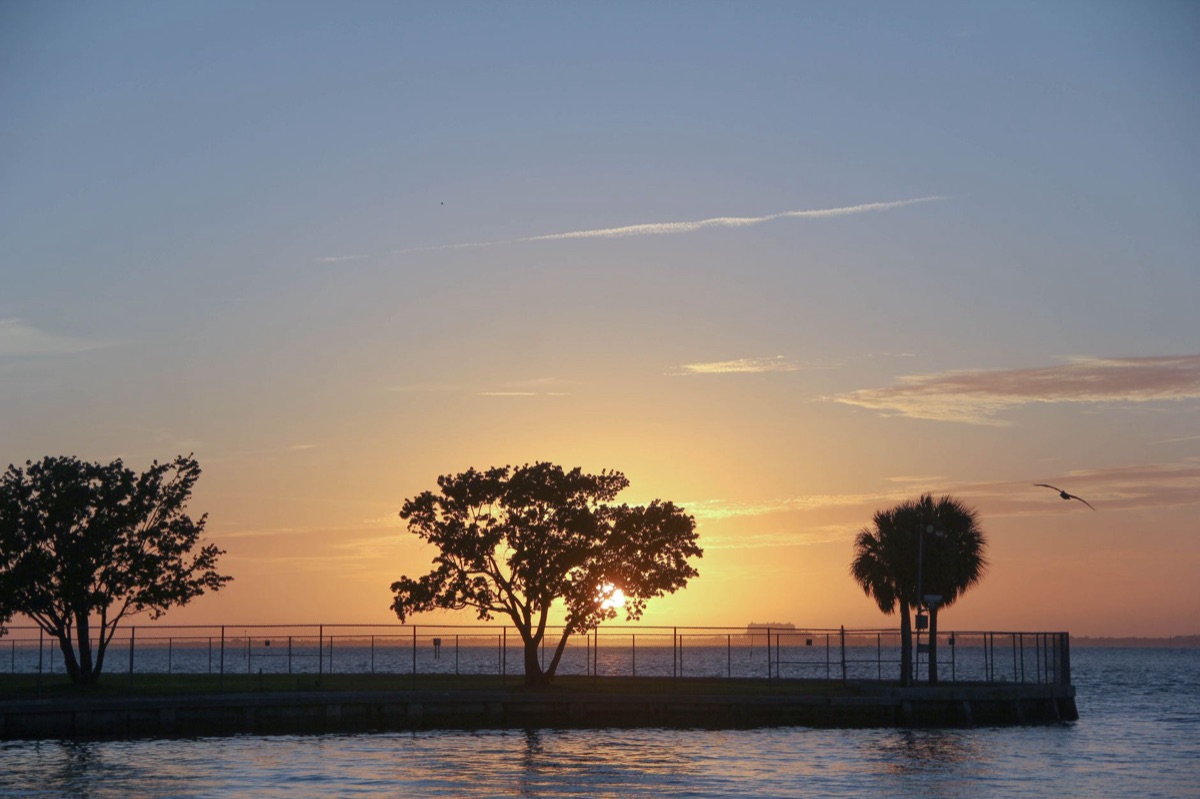
The sun hangs low over the Atlantic, casting a golden hue over the turquoise waters of the Atlantic Ocean. The breeze is warm, and the air feels heavy with the promise of a perfect evening. Per the USDA, most Miami-Dade cities joined in the 2023 update regarding the region's climate history.
The geography of South Florida is a primary driver of its popularity. The presence of the Gulf Stream provides a constant source of warmth, ensuring that the waters remain inviting and the climate stays tropical.
This thermal regulation is a key reason why the region avoids the harsh freezes found further north.
While tourists often flock to the Art Deco architecture of South Beach or the luxury of the Design District, the true draw is the ability to experience a tropical lifestyle year-round. The combination of reliable warmth and a vibrant, living culture makes it a perennial destination.
The weather provides the stage, but the culture provides the performance.
However, living in paradise comes with its own set of complexities and seasonal shifts.
Beyond the Beach: How Deep Are Miami’s Roots?
Walking through the historic streets of Coconut Grove, you see the shadows of the past in the sprawling banyan trees and the older, more established residential architecture. It feels less like a modern city and more like a collection of storied neighborhoods.
The Census Bureau reported that in 1970, Miami's population was 45.3% Hispanic.
To understand Miami, one must look at its evolving demographic tapestry. The city's composition has shifted significantly over the decades. For example, the Census Bureau reported in 1970 that Miami's population was 45.3% Hispanic, 32.9% non-Hispanic White, and 22.7% Black.
These numbers reflect a city that was already a complex mixture of identities long before the modern era.
These historical layers mean that Miami is not a "new" city built on sand, but a place with deep, established roots. The intersection of different ethnic and social groups has created a layered history that informs the modern political and social landscape.
Understanding this helps visitors appreciate that the "Miami vibe" is the result of decades of coexistence and cultural exchange.
But navigating this layered history requires a plan to avoid the tourist traps and find the real soul of the city.
How to Navigate the Miami Vibe: A Local Checklist
The morning rush in Brickell is a blur of glass skyscrapers and professionals moving quickly toward transit hubs. There is an undeniable tension between the high-stakes finance world and the laid-back, soulful energy of the surrounding neighborhoods.
World Bank data shows that the United States recorded an agricultural land share of 46.1% in 2023.
This tension is where the magic happens. The economic power of Miami, acting as a global gateway and a massive cruise hub, provides the resources that sustain its cultural vibrancy.
The wealth and commerce flowing through the city allow it to maintain its status as a world-class destination while preserving the pockets of tradition that make it unique.
When deciding where to stay or spend time, the choice often comes down to the specific "flavor" of the neighborhood. For those seeking the pulse of the city and the height of luxury, Brickell and Downtown offer a vertical, urban experience.
For those wanting the classic, sun-drenched lifestyle, South Beach is the standard.
To make the most of your time, follow this simple guide to experiencing the city's different faces:
- Morning in Little Havana: Start early at a local ventanita to grab a *cafecito* and watch the neighborhood wake up.
- Midday in the Design District: Walk through the high-end galleries and architecture to see the modern, polished side of the city.
- Afternoon in Coconut Grove: Find shade under the banyan trees and explore the more residential, leafy streets.
- Sunset at South Beach: Head to the oceanfront to witness the transition from day to night.
- Late Night in Brickell: Experience the urban energy and high-end dining scene.
| Neighborhood | Primary Vibe | Best For |
|---|---|---|
| South Beach | Art Deco, Beachfront, High Energy | Tourists, Nightlife, Beach Lovers |
| Brickell | Financial District, Luxury, Urban | Business, High-end Dining, Shopping |
| Little Havana | Traditional, Cultural, Authentic | Foodies, History Buffs, Walking |
| Coconut Grove | Lush, Bohemian, Residential | Nature Lovers, Relaxed Atmosphere |
It is important to note that while the tropical climate and vibrant culture make Miami a top destination, the humidity and seasonal hurricane risks are real factors to consider.
The "perfect" weather is often subject to the whims of the Atlantic, and the intense heat can make outdoor exploration challenging during the peak summer months.
FAQ
Q: What is Miami’s current cultural makeup? A: Miami is a majority-minority city. While specific percentages shift, it maintains a massive and influential Hispanic and Latino population that defines its character.
Q: How does the climate affect Miami's year-round appeal? A: The influence of the Gulf Stream and the tropical latitude keeps the area warm and suitable for outdoor activities and tourism throughout the year.
Q: What is the cultural significance of Cuban coffee in Miami? A: It is a ritualistic staple that symbolizes the history of migration and the fusion of Caribbean traditions with American life. It is a cornerstone of the local social fabric.


Comments 0