Beyond Paint: Decoding Miami's Culture in Wynwood's Walls
"It is not just paint on brick; it is the heartbeat of a city captured in pigment."
Walking through Wynwood is like stepping into a living, breathing canvas where every corner reveals a new layer of Miami's soul. This isn't a quiet museum where you whisper; it is a high-energy intersection of global street art and local identity.
* Cultural Depth: Learn to see these murals as reflections of Miami’s massive identity rather than just backdrops for selfies. * Visual DNA: Understand how the vibrant colors mirror the city's transition from an industrial warehouse district to a global art capital. * Smart Planning: Master the timing and logistics to avoid the midday heat and heavy crowds while maximizing your photography.
Why Wynwood is Miami’s Outdoor Art Museum
The sun hits a massive, multi-story mural on a corner of NW 26th Street, casting long shadows over a group of travelers looking up in silence. The air smells faintly of roasted coffee and warm pavement, a sharp contrast to the quiet, sterile galleries found in other cities.
This district didn't happen by accident; it was a deliberate transformation of an industrial warehouse zone into a global destination. While many cities struggle to define their identity, Wynwood leaned into its gritty, urban roots to create a massive outdoor museum.
The art here acts as a mirror to the city's demographic reality.
The transition from warehouse to art hub reflects a city that is constantly reinventing itself. In the past, these streets were purely functional, housing commerce and logistics. Today, they house a global dialogue.
Because the city is a majority-minority melting pot, the art often touches on themes of migration, heritage, and the intersection of different cultures.
Navigating the district requires an appreciation for this duality—the tension between the permanent architecture and the transient, evolving nature of street art.
But understanding the history is only the first step toward seeing the art clearly.
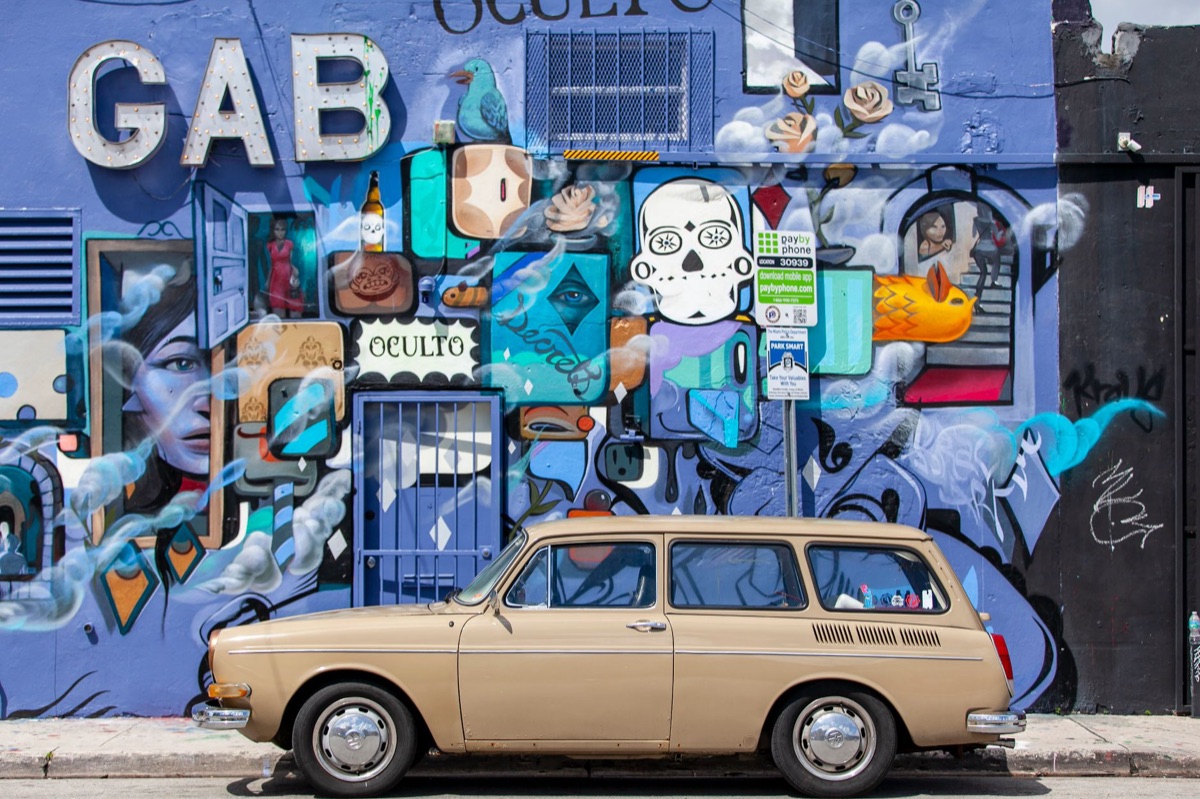
What do these murals reveal about Miami's pulse? A young artist stands back from a wall, checking the light against a spray-painted portrait, while a passerby pauses to examine the texture of a stencil. The colors are loud, often clashing in ways that feel both chaotic and perfectly balanced.
When looking at the murals, look for the threads of storytelling. You will often see themes of migration, family, and the vibrant influence of Latin American modernism. This isn't just random decoration; it is a visual language.
While South Beach is famous for its streamlined Art Deco, Wynwood offers a contemporary, jagged, and colorful counterpoint that speaks to the city's modern evolution.
The interplay between the permanent brick structures and the temporary nature of the art creates a unique tension. A mural might be masterpiece one month and painted over the next, making every visit a unique experience.
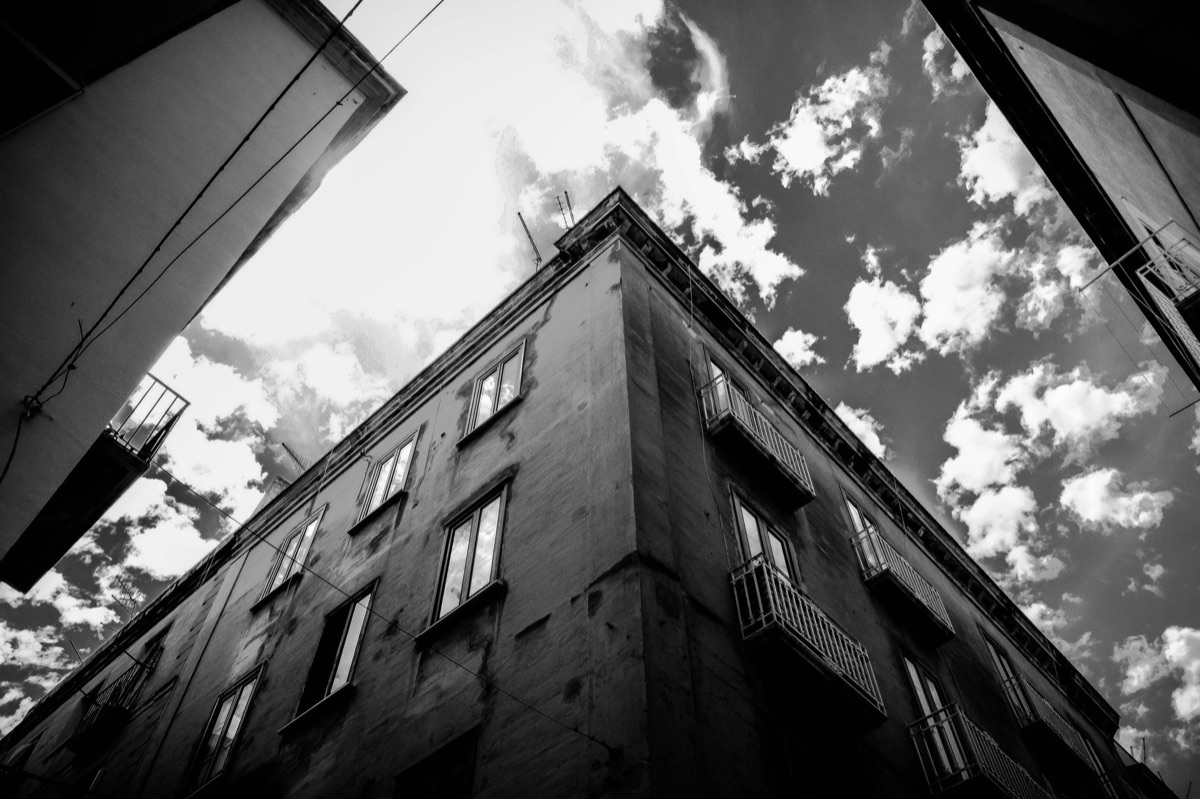
For the best photography, look for the "golden hour" just before sunset when the textures of the walls pop, or seek out the narrow alleys where light filters down between buildings to create dramatic, natural framing.
When I first walked these blocks in the summer of 2025, I was struck by how a single alleyway could feel like a private gallery and a crowded thoroughfare at the same time.
The sheer scale of the work can be overwhelming, and knowing how to navigate the streets is the key to not feeling lost in the color.
How does Wynwood fit into Miami's ecosystem? The sound of a distant bassline from a nearby rooftop bar drifts over the street, mixing with the chatter of a lunch crowd. A table of friends sits outside a cafe, sipping espresso and looking at a digital map of the neighborhood.
According to the Census Bureau, Miami's population was reported as 45.3% Hispanic in 1970.
Wynwood does not exist in a vacuum; it is a vital organ in the larger body of Miami.
It serves as a perfect example of the city's role as the "Gateway to Latin America." This connection to the wider Latin American community brings an international flair that makes the art feel globally relevant yet deeply local.
The relationship between the art scene and the city's dining and nightlife is seamless. You don't just visit a mural and leave; you transition from a walking tour to a high-end culinary experience or a late-night lounge. This ecosystem is what makes Miami a powerhouse for international tourism.
The art scene acts as a magnet, drawing in travelers who then contribute to the city's robust economy through dining, shopping, and hospitality.
| Feature | Wynwood Walls Experience | Traditional Art Museum |
|---|---|---|
| Atmosphere | High-energy, urban, social | Quiet, contemplative, structured |
| Interaction | Immersive, tactile, photography-focused | Observational, hands-off |
| Accessibility | Open-air, walking-based | Indoor, controlled environment |
However, the logistics of the heat and the crowds can make or break the experience if you aren't prepared.
Planning Your Perfect Wynwood Visit (Logistics & Timing)
The humidity of a Miami morning clings to the skin, but a light breeze makes the walk through the shaded alleys bearable. A traveler checks their phone, looking for the nearest shaded cafe to escape the rising midday sun.
According to the World Bank, the United States recorded 45,037,000 international tourist arrivals in 2020.
Timing is everything when visiting this district. Because Miami has virtually no freezing weather and stays warm year-round, you don't need to worry about seasonal closures, but you must plan for the heat.
The best time to visit is early in the morning to beat the crowds, or late in the afternoon when the light is most flattering for photos.
Parking can be a challenge in this high-density area. It is often easier to use ride-sharing services or park in a secure garage and walk the district. If you plan to spend several hours exploring, bring water and wear comfortable walking shoes.
While the area is generally safe and heavily trafficked by tourists, always stay aware of your surroundings, especially if you are wandering into less-populated side streets late at night.
To make the most of your time, follow this specific walkthrough:
- Start Early: Aim to arrive by 9:00 AM to catch the soft morning light and avoid the peak heat and crowds.
- Walk the Perimeter: Begin at the northern edge and work your way south to ensure you see the largest murals first.
- Midday Retreat: Between 12:00 PM and 2:00 PM, find an air-conditioned cafe or a shaded gallery to escape the intense Florida sun.
- Golden Hour Exploration: Return to the streets around 5:00 PM when the shadows lengthen and the colors become more saturated.
- Nightcap: End your visit at a local lounge to see how the neighborhood transforms under neon lights.
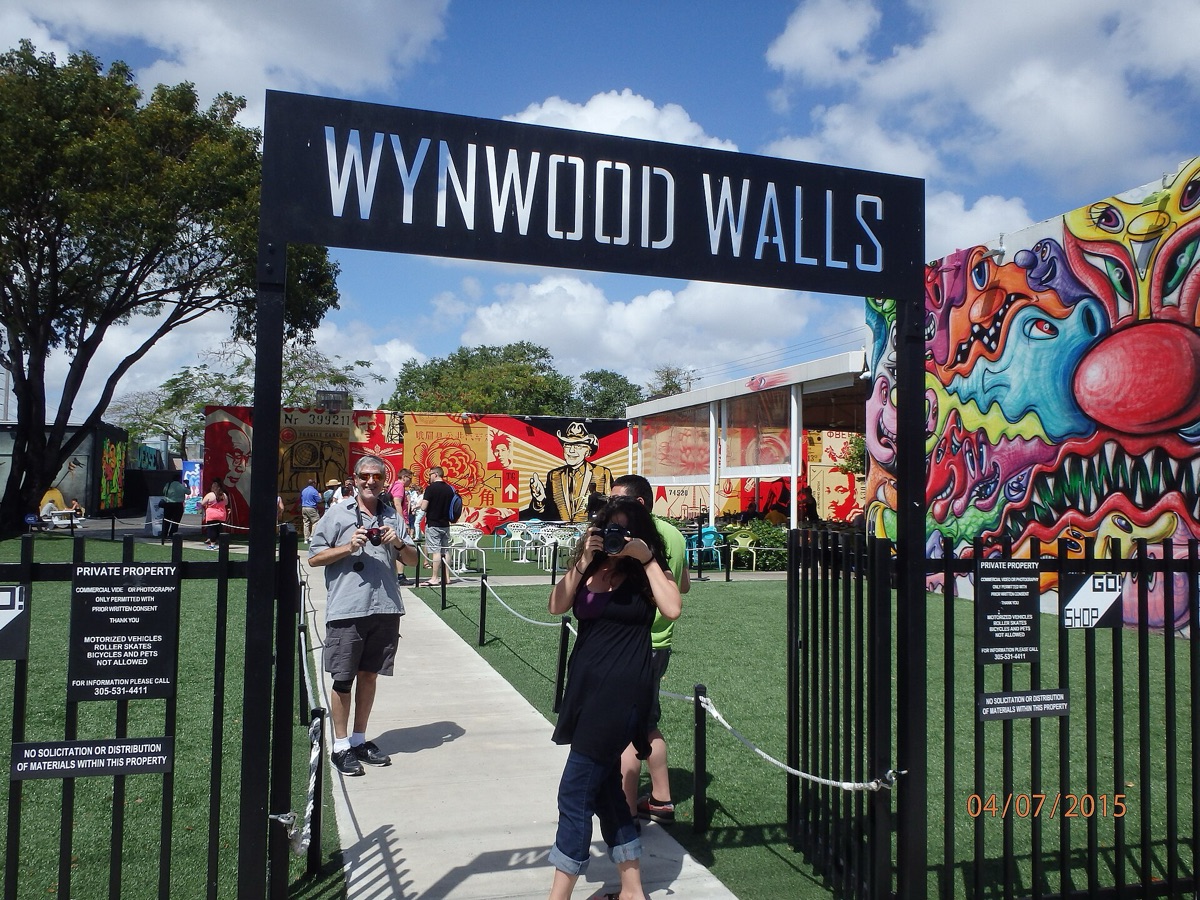
Note that while the art is public, some specific murals are located within private courtyard galleries that may require an admission fee.



Comments 0