Little Havana Cuban sandwich: Guide to unique flavors
The scent of pressed Cuban bread and melted cheese often lingers in the warm air of Miami, signaling a culinary tradition that remains a cornerstone of the local identity. Finding a truly authentic Little Havana Cuban sandwich requires an understanding of specific ingredients and traditional preparation methods that distinguish it from common deli fare. This guide explores the unique characteristics of this iconic meal, highlighting why it remains a rare and sought-after delicacy.
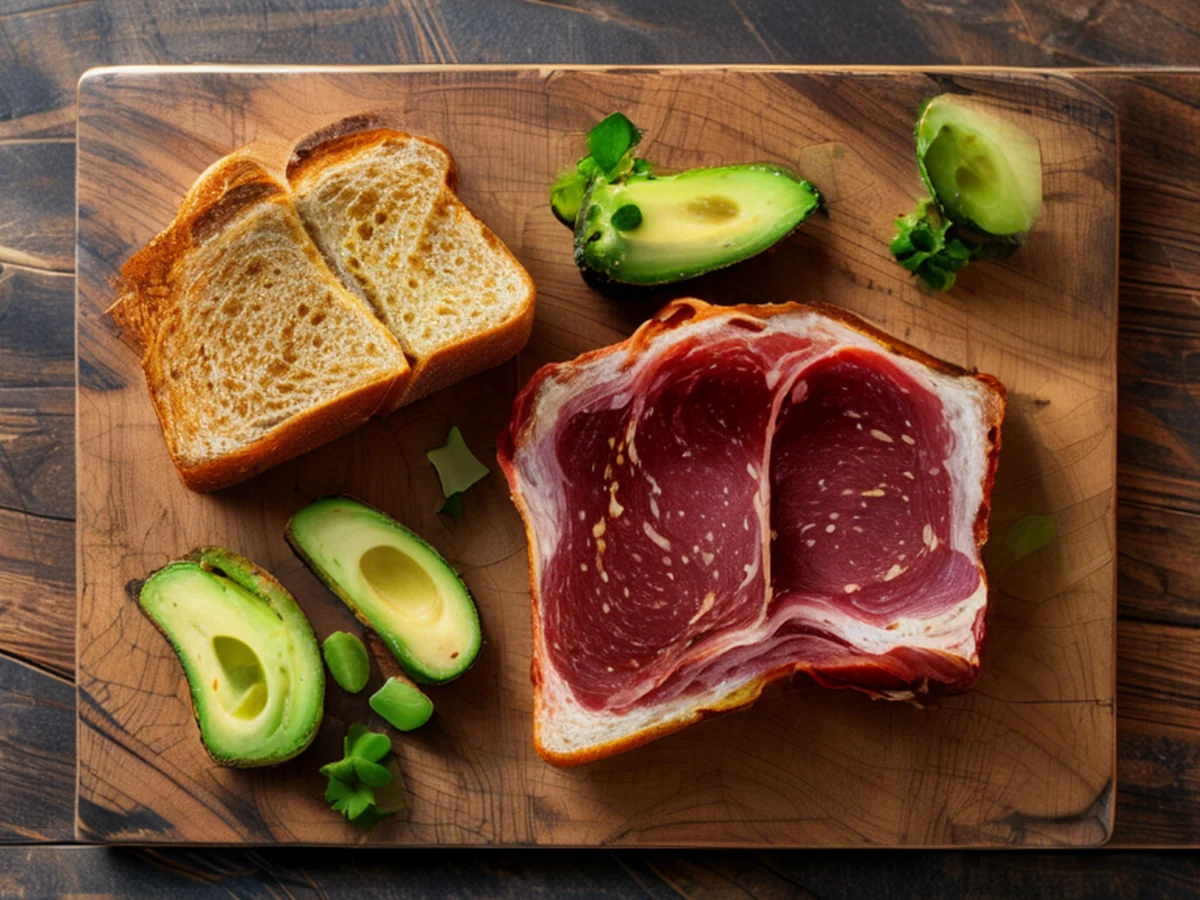
Key takeaways: * Traditional ingredients like slow-roasted pork and authentic Cuban bread are essential. * The pressing technique is vital for the correct texture and flavor profile. * Authenticity is defined by specific historical preparation methods rather than modern convenience.
Why is the Little Havana Cuban sandwich so unique?
A heavy, buttered loaf of Cuban bread sits on a wooden cutting board, waiting to be sliced for a fresh meal. The unique nature of the Little Havana Cuban sandwich stems from the precise balance of salty, savory, and acidic flavors achieved through traditional layering.
Unlike standard sandwiches, this version relies on the specific interaction between high-quality ham, roasted pork, and tangy pickles.
The preparation requires a specific type of bread that can withstand heavy pressing without losing its structural integrity. This bread must be able to absorb the oils from the meat while maintaining a slight crunch on the exterior.
This balance makes the Little Havana Cuban sandwich a standout culinary icon in the region.
The synergy of pressed bread and melted cheese creates a flavor profile unlike any other deli staple.
How do I master the art of making a sandwich? In the humid kitchen, I press the heavy iron down and listen to the little sizzle of melting cheese.
A chef carefully spreads mustard across a thick slice of bread before layering the meats. The art of the sandwich involves more than just stacking ingredients; it is a methodical process of building layers to ensure every bite is consistent.

Achieving the perfect melt requires careful heat management during the final stage.
To replicate this experience, one must focus on the interplay of textures. The softness of the interior bread must contrast with the crispness of the exterior. This tension between soft and crunchy is the hallmark of a well-made meal in this neighborhood.
- Layer the sliced ham and roasted pork onto the bread.
- Add the Swiss cheese and pickles to the stack.
- Press the sandwich in a hot griddle until the bread is golden.
Why does this recipe matter to the culture? A family gathers around a small table, sharing stories while passing around a plate of pressed sandwiches. The cultural significance of the recipe is rooted in the immigrant history of the area, where recipes were preserved as a way to maintain a connection to their heritage.
It is not merely a meal but a piece of living history.
Many locals view the preparation as a ritual passed down through generations. This deep connection to the past ensures that the methods remain consistent even as the city changes around them. The sandwich serves as a tangible link to the original flavors of the Cuban diaspora.
I find that the second step in this process captures the true essence of the heritage.
How to identify an authentic version
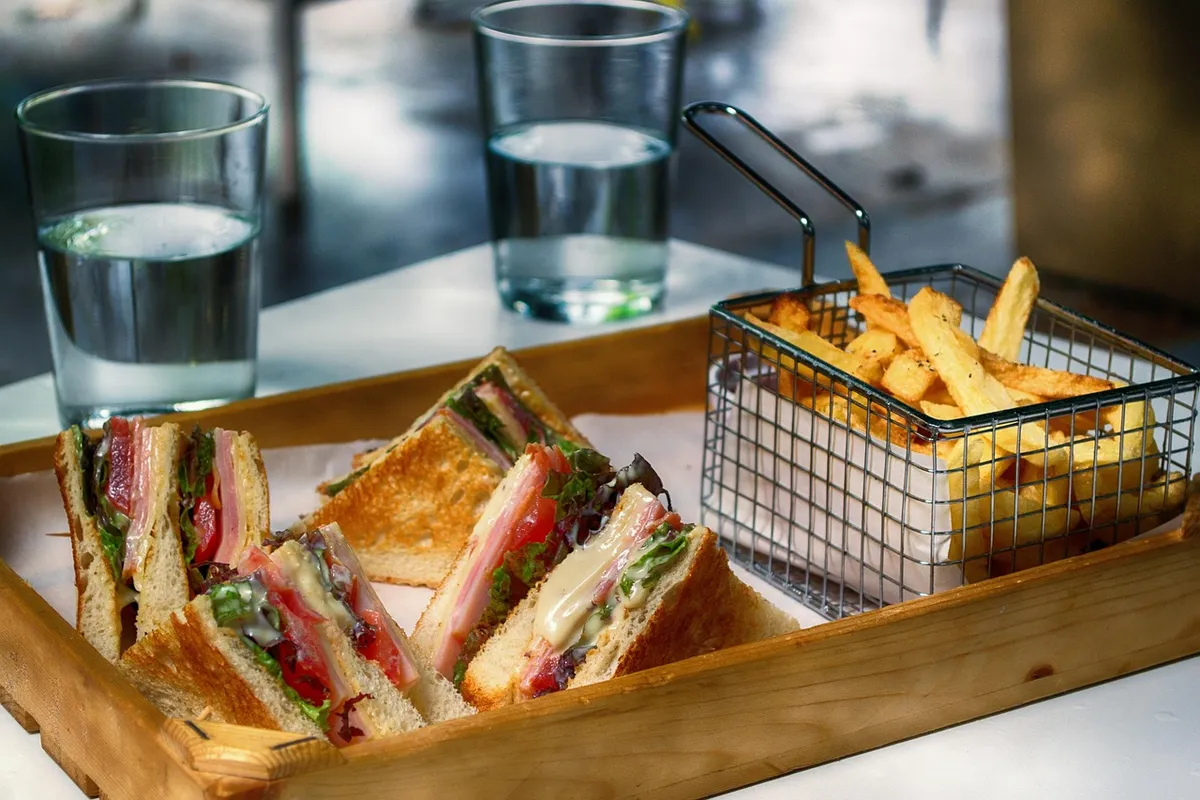
A diner inspects the golden-brown crust of a sandwich before taking the first bite. Identifying a genuine version requires looking for specific markers of quality and technique. If the bread is too soft or the pork lacks seasoning, it is likely a modern imitation rather than the real deal.
- Check for the presence of authentic Cuban bread that has been properly pressed. 2. Verify that the roasted pork is seasoned traditionally and not just boiled. 3. Ensure the pickles provide a sharp, acidic contrast to the rich meats. 4. Perform a final check by testing the structural integrity of the toasted exterior.
I often find that the most authentic versions are those where the crust is slightly charred from the heavy press.
An authentic sandwich must feature a distinct crunch from the pressed Cuban bread.
Comparison of traditional vs. modern styles
A side-by-side comparison shows how different methods affect the final product. While modern deli versions might use various meats or cheeses, the traditional style remains strictly focused on a specific set of ingredients.
| Feature | Traditional Style | Modern Deli Style |
|---|---|---|
| Primary Bread | Authentic Cuban Bread | Standard Sliced Bread |
| Meat Profile | Roasted Pork and Ham | Varied Deli Meats |
The table illustrates how the specific constraints of the traditional method create a more specialized flavor profile compared to more generalized versions.
While modern variations may add extra ingredients, the traditional method relies on a specific balance of salt and fat.
Limitations of finding perfection
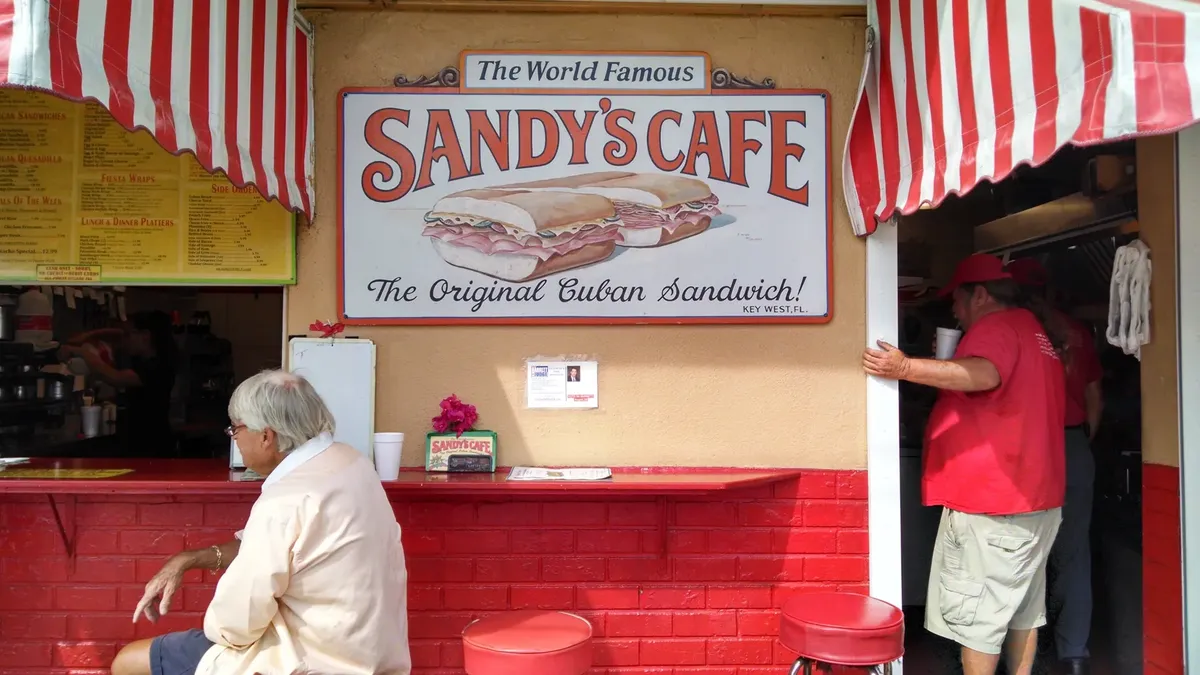
A single sandwich sits alone on a plate, representing the difficulty of finding consistency in every shop. One limitation is that the availability of authentic, locally-baked Cuban bread can vary depending on the specific bakery's production schedule.
On 7 April 2011, Estefan made an unannounced appearance at the auditions for The X Factor in Miami, and gave encouragement to the 7,500 participants gathered outside the Bank United Center, according to the Bank United Center.
Without this specific bread, the sandwich cannot reach its intended standard.
True perfection remains elusive as every chef brings a slightly different touch to the recipe.
Related
- Miami Latin identity roots: 15,777 LGBTQ in city
- Key West Hispanic culture: Roots of community formation why
Why is the pressing technique so crucial?
The pressing technique is vital because it forces the disparate elements of the sandwich into a unified flavor experience. The pressure compresses the ingredients, allowing the mustard and the oils from the meats to meld with the bread itself.
This compression is what transforms individual components into a singular, cohesive bite.
This action ensures that the subtle nuances of the slow-roasted pork are distributed evenly throughout the structure of the sandwich. The pressing action also contributes to the desired textural contrast, marrying the soft interior with the crisp exterior crust.
Without this final pressing, the sandwich remains a collection of components rather than the integrated culinary object it is meant to be. The resulting integrity is a direct testament to the proper execution of this step.
What role does the scent play in the experience?
The scent of pressed Cuban bread is inextricably linked to the memory of the meal. That specific aroma signals the successful marriage of high-quality ingredients under pressure. The lingering scent is a testament to the quality of the slow-roasted pork and the richness of the melted cheese.
This olfactory cue immediately transports the diner back to the tradition of Little Havana. The scent signals that the foundational elements—the bread and the meats—have been treated with the proper care and attention to detail. It is the aromatic signature of authenticity.
This combination of sight, taste, and scent solidifies the sandwich's status as a cultural touchstone, not just a simple lunch item.




Comments 0