Miami parking tips: 9.7 km to downtown journey
"The transition from the terminal to the city can be the most unpredictable part of any journey, especially when navigating complex transit hubs."
Navigating Miami requires understanding the connection between the airport and the surrounding urban landscape to ensure a seamless transition.
This guide covers transit options like the MIA Mover, provides essential Miami parking tips for travelers, and highlights the connection to local attractions like Stadium of Major League.
How can I manage transfers at the airport?
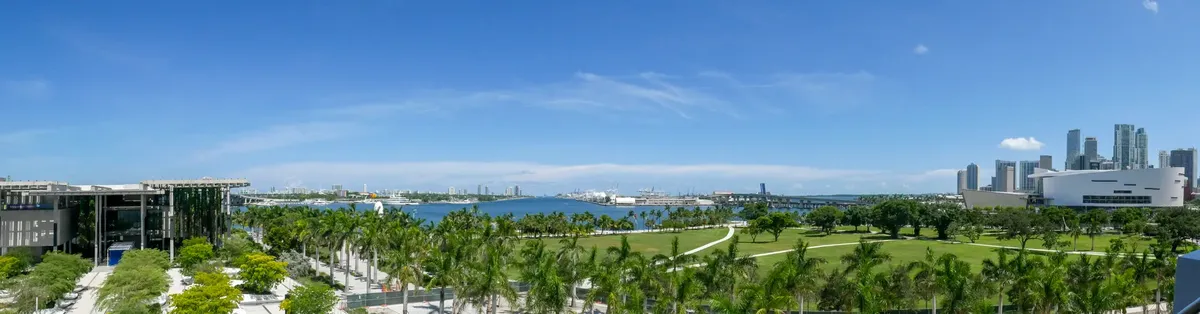
At dawn, I grip my heavy suitcase while staring through the glass at the humid miami skyline.
A traveler stands at the terminal window, watching the sunlight hit the tarmac while planning the next leg of a journey. Utilizing the right transit tools is the first step in avoiding travel friction.
The Miami International Airport offers the MIA Mover, which serves as a free people mover system. This system allows passengers to transfer between MIA terminals and the Miami Intermodal Center (MIC), which opened to the public on September 9, 2011.
Using this connection is a primary way to navigate the airport's various hubs efficiently.
The MIA Mover provides a reliable way to bridge the gap between different airside and landside locations. This transit option ensures that moving between terminals does not become a logistical burden.
- Confirm your connection gate and flight status upon arrival.
- Locate the transit lounge or baggage claim area.
- Arrange for onward transportation to your final destination.
What are the best Miami parking tips for travelers?
At dusk, I grip the steering wheel with sweaty palms while scanning the vast lot for a miami parking spot.
A driver grips the steering wheel, eyeing the various signage and parking structures while navigating the busy airport entrance. Finding a spot can be one of the most stressful parts of a trip.

Effective Miami parking tips involve understanding the relationship between the airport and the Miami Intermodal Center. Travelers can use the transit links to move from their parked vehicles to their specific terminal.
This approach helps avoid the congestion of terminal-side drop-offs while still maintaining easy access to flights.
An easy Miami parking strategy involves utilizing the remote lots and then using the free shuttle or mover systems. This method keeps the vehicle secure while allowing for a quick transition to the gate.
In this sequence, the first step is the most critical.
How does the airport connect to the city?
A passenger looks out the window of a moving vehicle, seeing the skyline of downtown Miami in the distance. Understanding the geography helps in planning the journey to local destinations.
The MIA Mover allows passengers to transfer between MIA terminals and the Miami Intermodal Center.
The airport is located in an unincorporated area in Miami-Dade County, Florida, approximately 6 miles (9.7 km) west-northwest of downtown Miami. It is adjacent to the cities of Miami and Miami Springs, and the village of Virginia Gardens.
It takes approximately 15 minutes to get from the airport to Downtown.
A Miami parking guide should include these distances to help travelers estimate travel times. Knowing that the airport is a short distance from the urban core allows for better scheduling of ground transportation.
Why is the airport a major hub for fans?
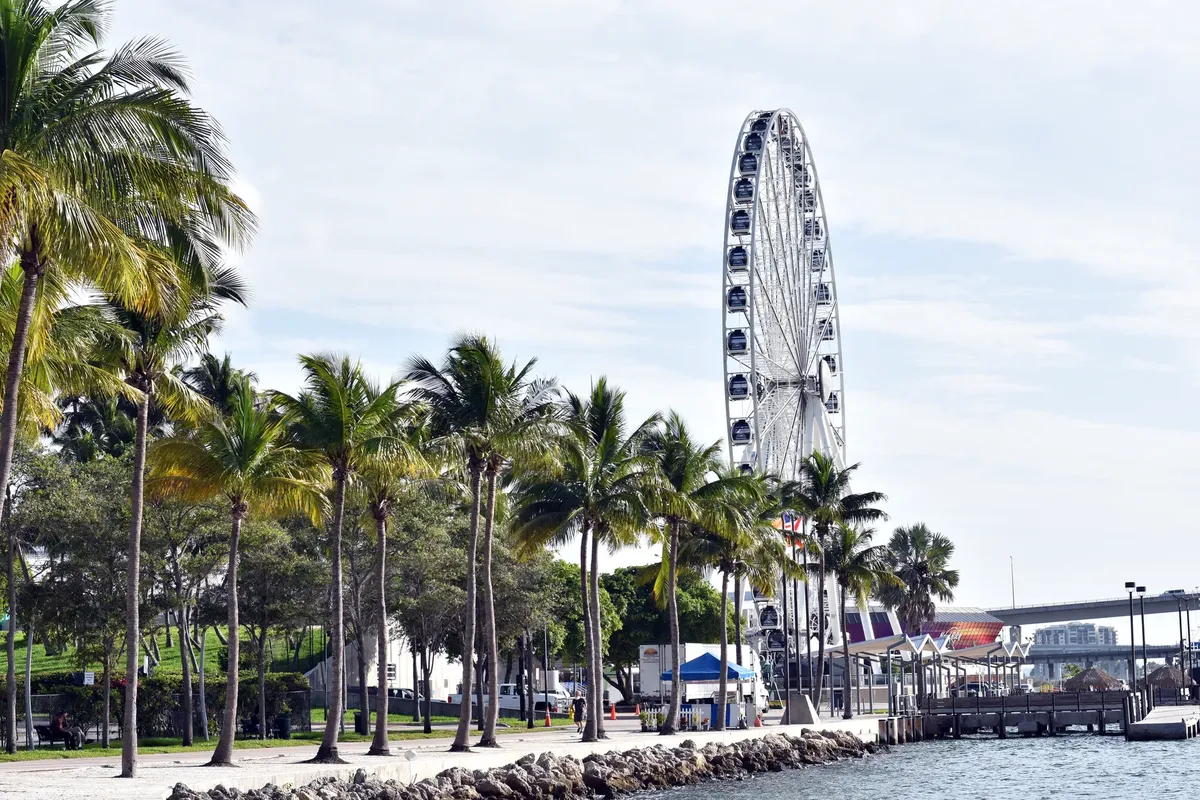
A group of travelers discusses the upcoming soccer match while checking their flight status on a smartphone. The excitement of the game adds a new layer of energy to the airport environment.
Starting in 2026, MIA became a hub for soccer fans for two reasons. First, the nearby Nu Stadium of Major League Soccer's Inter Miami CF has opened; it is connected to the airport via the MIA Mover. This connection makes the airport a central point for sports enthusiasts.
Seeking safe parking in Miami often leads fans to use these transit links to reach the stadium area. The integration of the stadium and the airport creates a unique flow of people through the terminal.
How do I prepare for the expansion?
An engineer reviews blueprints of a massive construction site, marking the progress of a multi-year project. The scale of the infrastructure reflects the growing importance of the region.
To meet such a demand, the Miami-Dade Board of County Commissioners approved a $5 billion improvement plan to take place over 15 years, concluding in 2035. This plan addresses the increasing needs of the aviation hub.
A detailed Miami parking advice strategy must account for changing layouts during these long-term improvements. Travelers should remain flexible as the infrastructure evolves toward its 2035 completion.
What are the steps for a smooth transit?

A traveler gathers their luggage, checking their watch before heading toward the gate. Following a structured plan ensures that no detail is overlooked during the transition.
- Identify your arrival terminal and the corresponding parking or transit connection. 2. Utilize the MIA Mover to reach the Miami Intermodal Center if you are switching between different modes of transport. 3. Verify the distance to your final destination, such as downtown or a local stadium, to manage your time effectively.
I always check the terminal connection before leaving the parking area to ensure a smooth transition.
A limitation of these transit plans is that they are subject to the ongoing $5 billion improvement project scheduled through 2035.
Related
- Everglades guide: 2,300 km airboat tour tips
- Miami cruise port luggage storage: Guide for easy travel
What cautions should I keep in mind during the transition?
The traveler watches the signs indicating the necessary connection point while mentally mapping out the journey ahead. Careful awareness of the current operational status is crucial for a successful transition.
- Always confirm the specific transit connection needed for your onward journey. 2. Be mindful that the entire system is undergoing improvements through 2035. 3. Account for the time required to move between different modes of transport using the available links.
The MIA Mover facilitates the movement between the terminal areas and the Intermodal Center, but the overall journey involves several moving parts. Understanding the interplay between the terminal and the MIC is key to minimizing delays during the transition.
When is the airport most dynamic?
The traveler watches the tarmac activity, observing the flow of arrivals and departures that define the airport's busiest periods. The airport experiences peak activity when major events draw large crowds.
The connection to Nu Stadium creates a high-activity period around soccer matches. During these events, the volume of passengers needing to move between the terminal and the stadium area increases significantly. This influx tests the capacity of the established transit links.
The successful management of this increased activity depends on the predictability of the traveler's schedule and the efficiency of the ground transportation options available. The transition phase becomes critical during these high-volume periods.
Wikipedia: Miami International Airport Based on the retained excerpt mentioning Dade Board of County Commissioners: To meet such a demand, the Miami-Dade Board of County Commissioners approved a $5 billion improvement plan to take place over 15 years, concluding in 2035.



Comments 0