Why is Miami port cruise hub content so essential?
"The intersection of transit and tourism creates a gateway that defines a city's global reach."
The Miami port cruise hub content serves as a vital link for travelers navigating one of the world's busiest transit corridors. This guide explores how infrastructure and local attractions integrate to support massive visitor numbers.
Key takeaways include understanding the long-term expansion of local transit, the role of the MIA Mover in passenger transfers, and how recent sports developments influence travel hubs.
Why is Miami port cruise hub content so essential?
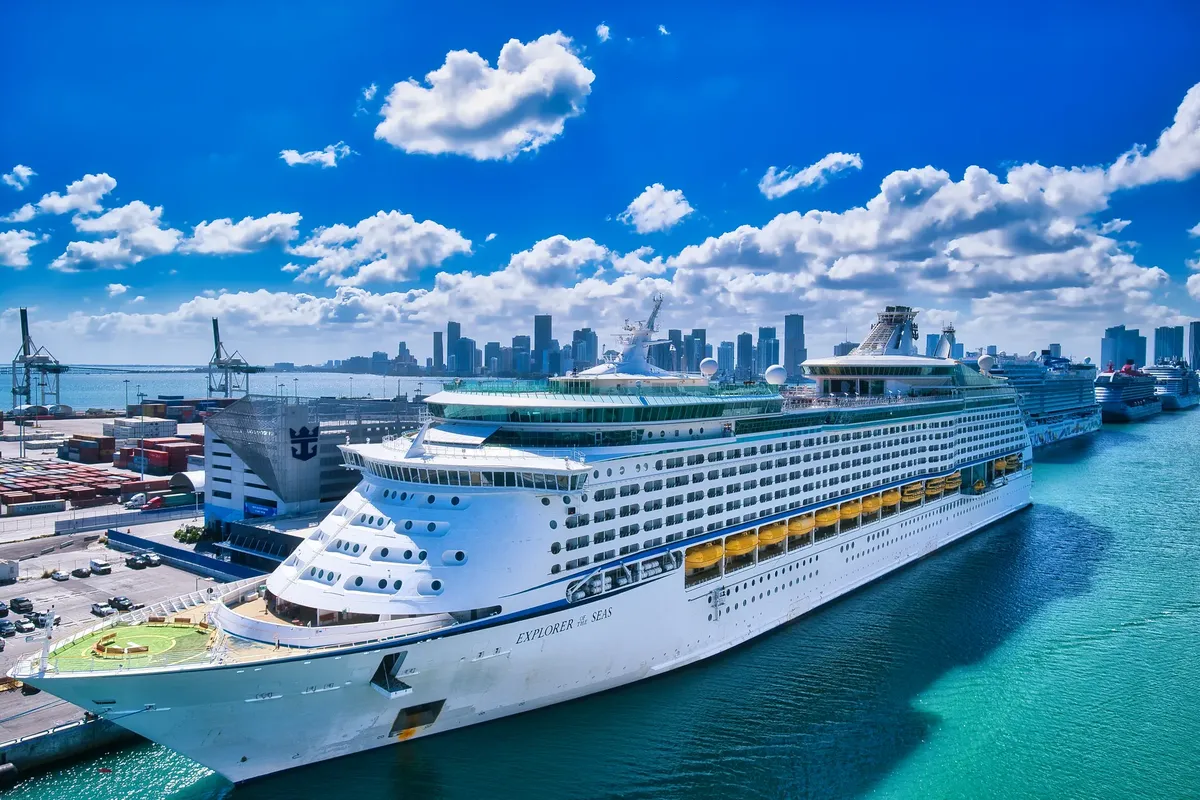
A traveler steps off a plane and looks for the quickest way to reach the water. In a bustling transit environment, providing clear information regarding local connections is the foundation of a successful travel experience.
The importance of maintaining high-quality Miami port cruise hub content lies in its ability to direct the flow of millions of passengers through complex transit networks. Without reliable guidance, the logistical strain on local infrastructure could overwhelm the visitor experience.
Effective content ensures that travelers can navigate between air, rail, and sea with minimal friction.
According to the Dade Board of County Commissioners, a 5 billion improvement plan was approved to take place over 15 years, concluding in 2035. This massive investment aims to meet growing demands and modernize the region's capacity.
Such planning ensures that the hub remains functional as visitor numbers fluctuate.
In this sequence, the first point is the most fundamental.
How does the MIA Mover facilitate travel?
A passenger walks through a terminal and looks for a way to reach the transit center without renting a car. The ease of movement between air travel and ground transport is a primary concern for every visitor.
The MIA Mover serves as a critical component of the local transit ecosystem. This free people mover system allows for efficient transfers between MIA terminals and the Miami Intermodal Center (MIC).
The Miami Intermodal Center (MIC) opened to the public on September 9, 2011. It provides a centralized location for various modes of transport, making the transition from the airport to other destinations seamless.
Using the MIA Mover, travelers can move between terminals and the MIC without the stress of navigating road traffic. This connection is a vital part of the broader Miami port cruise hub content strategy.
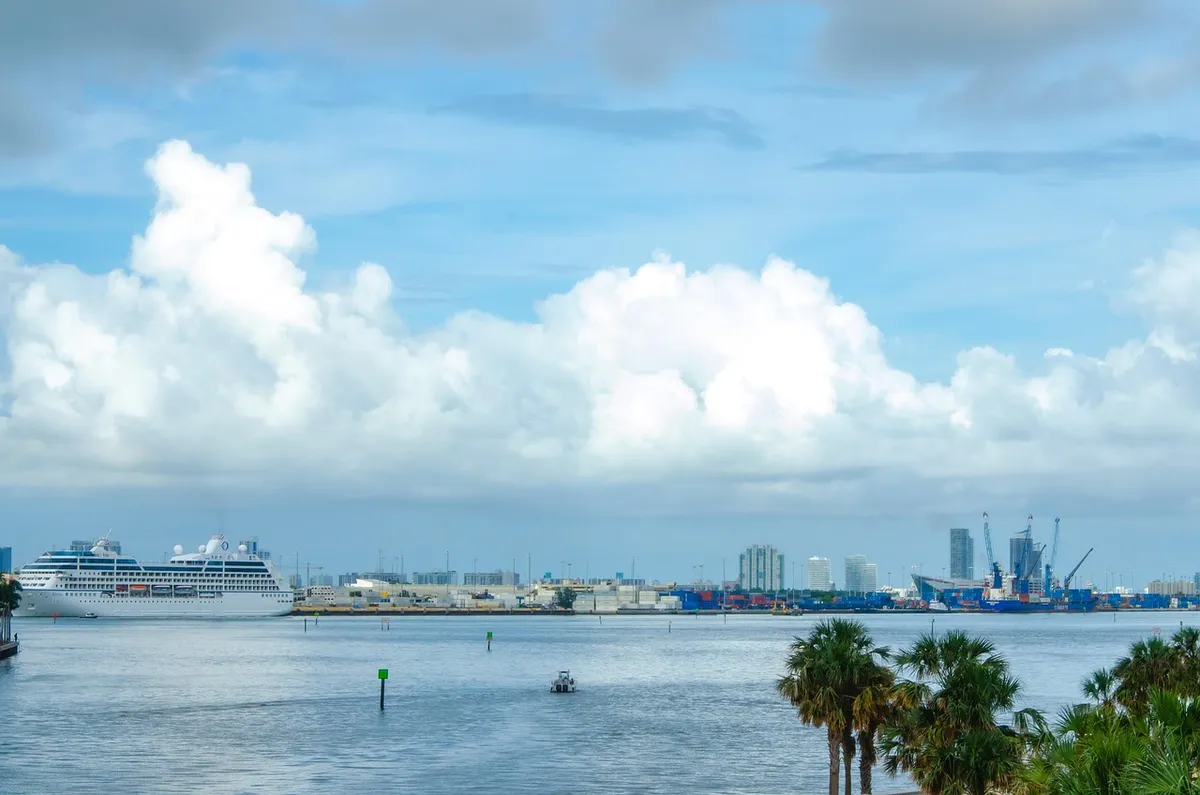
- Board the automated people mover at the airport terminal.
- Transfer to connecting transit lines.
What role do sports and local attractions play?
A fan wearing a team jersey walks through the terminal, looking for directions to a nearby stadium. The intersection of sports and travel creates new surges in passenger volume.
This development adds a new layer of complexity to local transit requirements.
The connection between the airport and the stadium is facilitated via the MIA Mover. This integration allows sports enthusiasts to move between their flights and the match easily.
When managing Miami port cruise hub content, planners must account for these seasonal and event-based surges in population.
| Feature | Description |
|---|---|
| MIA Mover | Free people mover system for terminal and MIC transfers |
| MIC Opening | Opened to the public on September 9, 2011 |
I watched how the seamless transition between the terminal and the transit center allowed travelers to move without hesitation.
How can travelers navigate the hub effectively?
A traveler stands in the middle of a terminal, checking a mobile device for the next connection. Navigating a massive hub requires a systematic approach to movement.
To successfully navigate the transit environment, travelers should follow these steps:
- Identify the primary terminal and the connection point for the MIA Mover. 2. Utilize the free people mover to reach the Miami Intermodal Center (MIC) for ground transport. 3. Verify the schedule for local connections to ensure timing aligns with cruise or flight departures.
Always check the current status of the transit systems before making a transfer.
What are the limitations of current transit planning?
A planner looks at a map of the city, noting the gaps between the airport and the coastal ports. Even with massive investments, the scale of the region presents constant challenges.
The Dade Board of County Commissioners approved a 5 billion improvement plan.

A limitation of these improvements is that the $5 billion plan is a long-term project concluding in 2035, meaning current infrastructure must still manage immediate high-volume demands until all upgrades are complete.
The same subject is also called Cruise hub Miami port content.
The same subject is also called Miami port attraction ideas.
The same subject is also called Cruise terminal local sights.
The same subject is also called Portside Miami experiences.
This part also covers Attractions near cruise terminal.
This part also covers Local flavor for cruisers.
Miami cruise port guide
Related
- Miami hotel choice guide: Guide to luxury Miami stay ideas
- 7-Mile Bridge Crossing: Focus Required for Keys Arrival
How does the intersection of transit and tourism sustain itself?
The sustained success of the Miami port cruise hub hinges on the successful management of the passenger flow through the established infrastructure. This constant movement between air, rail, and sea represents the physical manifestation of the city's global reach.
The quality of the traveler's experience during this transition directly reflects the effectiveness of the planning.
The modernizing investment plan, approved by the Miami-Dade Board of County Commissioners, addresses the growing demands placed upon the system. This long-term vision, culminating in 2035, is designed to accommodate future growth in visitor numbers.
Such sustained planning is crucial for maintaining operational fluidity through fluctuating volumes.
The role of the MIA Mover is to minimize friction during this critical phase of the journey. It provides a necessary, seamless link allowing passengers to transition between modes of conveyance efficiently. This operational efficiency is vital for a positive impression of the city upon arrival.
What is the relationship between transit and tourism? The relationship between transit and tourism is that the successful movement of people through the hub defines the city's global reach. The intersection of transit and tourism creates a gateway that defines a city's global reach, making the quality of the journey reflective of the destination itself.
This integration is vital because the traveler's initial impression of the city is formed during the transition phase through the airport and port facilities. A smooth journey through the transit network conveys competence and organization, enhancing the overall perception of the destination.
Conversely, if the transit experience is complicated or slow, it detracts from the positive impression generated by the attractions visited. Therefore, the management of the physical movement through the hub is as important as the attractions themselves.


Comments 0