Authentic Cuban Sandwich Recipe: 5 Steps to Perfection
"The secret isn't in the complexity, but in the perfect compression of salty, savory, and tangy layers."
To make a true Cuban sandwich, you need the right kind of crusty bread, slow-roasted pork, smoked ham, Swiss cheese, and a heavy-duty press. It is a masterclass in how simple ingredients can create a heavy, soul-satisfying meal when heat and pressure are applied correctly.
* Authentic Bread: Use a crusty Cuban loaf or artisanal French bread. * The Trinity: High-quality roasted pork, smoked ham, and Swiss cheese are non-negotiable. * The Press: Use a heavy weight or a panini press to fuse the layers. * The Flavor: Yellow mustard provides the essential acidic bite.

What is the heartbeat of Little Havana's kitchen? The humid air on Calle Ocho carries the scent of roasted pork and strong espresso long before you see the colorful murals. I remember standing near a small *ventanita*—a walk-up coffee window—watching an elderly man meticulously slice thin layers of ham while the morning sun hit the sidewalk.
While local flavors remain constant, global travel trends shift, such as when according to World Bank, the United States recorded international tourist arrivals of 45,037,000 in 2020.
While local flavors define the neighborhood, global travel trends show that the United States recorded 45,037,000 international tourist arrivals in 2020. Even as we look toward the 2025 and 2026 travel seasons, the pull of these historic culinary hubs remains constant.
The culinary identity of Miami was largely forged by the waves of Cuban migration that transformed this city into a vibrant cultural hub. This wasn't just about moving people; it was about moving flavors, traditions, and the communal spirit of the *ventanita*.
The Cuban sandwich is the physical embodiment of this history, representing a portable, hearty meal designed for workers that has since become a global icon of Latin-American fusion.
Whenever you walk through Little Havana, you aren't just eating; you are participating in a living history of survival and celebration. The sandwich itself is a perfect example of how much flavor can be packed into a handheld format.
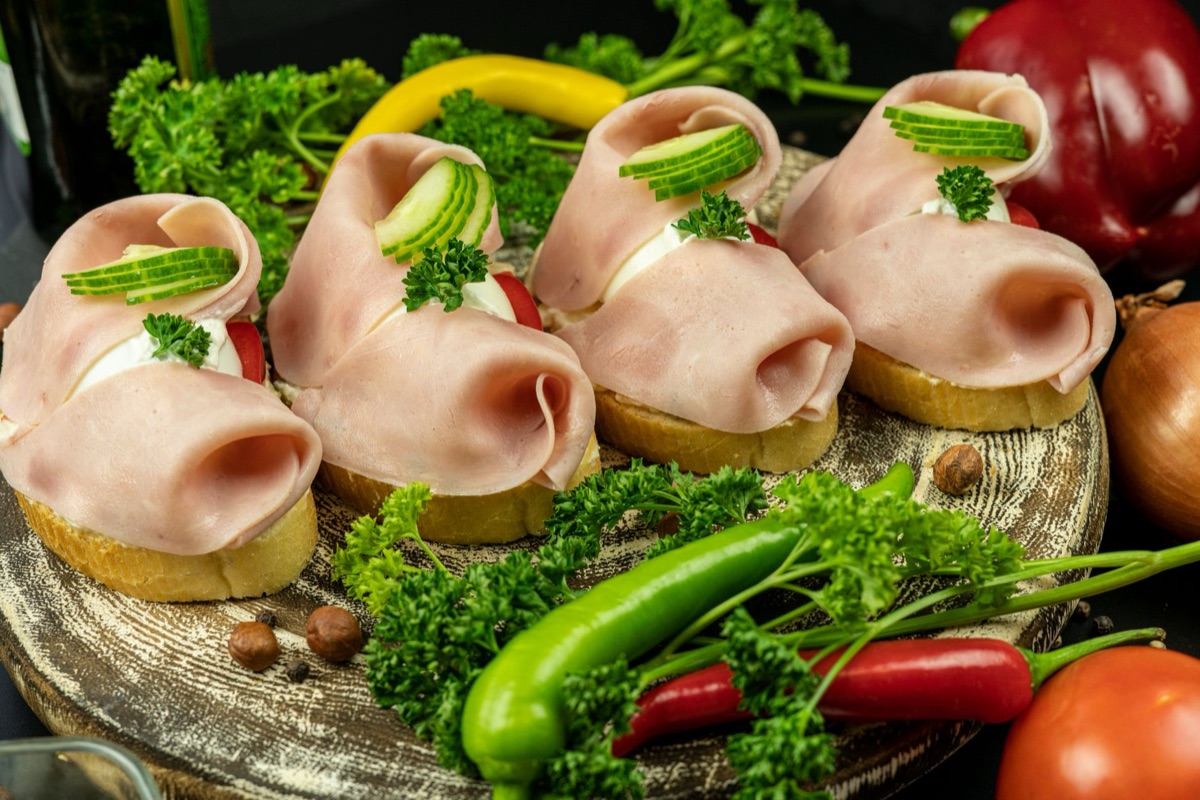
What ingredients do I need for perfection? A heavy wooden cutting board sits on the cafe table, and the chef begins laying out the components like pieces of a puzzle. There is no room for error when the ingredients are this specific.
To achieve an authentic taste, you must focus on the "Holy Trinity" of fillings. First, the pork must be *mojo*-marinated, slow-roasted pork shoulder that is tender enough to shred but firm enough to slice. Second, you need a high-quality smoked ham to provide a salty contrast.
Third, Swiss cheese is the only acceptable choice because of its superior melting properties and mild, nutty profile.
The bread is the foundation of the entire experience. You need a Cuban loaf (pan cubano), which is characterized by a thin, crisp crust and a soft, airy interior.
If the bread is too soft, it will turn into a soggy mess under the weight of the meat; if it is too hard, it will shatter when you bite into it.
| Component | Traditional Requirement | Purpose |
|---|---|---|
| Bread | Crusty Cuban or French loaf | Provides structure and crunch |
| Protein 1 | Mojo-roasted pork | The savory, heavy centerpiece |
| Protein 2 | Smoked ham | Adds saltiness and texture |
| Cheese | Swiss cheese | Acts as the "glue" for the layers |
| Acid | Yellow mustard | Cuts through the heavy fats |
*Pro Tip: If you cannot find authentic Cuban bread in your local grocery store, look for a fresh baguette with a slightly thicker crust to mimic the texture.*
Step-by-step: how do you craft the authentic sandwich?
The kitchen is silent except for the rhythmic sound of a knife hitting a cutting board. The chef carefully layers the ingredients, ensuring the cheese is placed both above and below the meat.
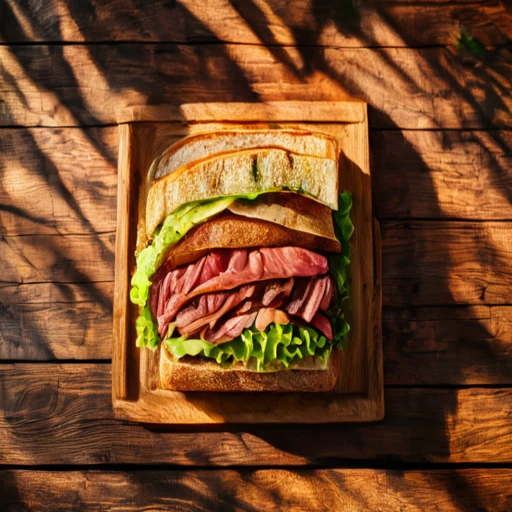
- The Assembly Sequence: Start by spreading a thin layer of yellow mustard on both slices of bread. Place the cheese on the bottom slice, followed by the roasted pork, then the ham, and finally another layer of cheese on top. This "cheese sandwich" method ensures the meat stays locked in place.
- The Pressing Technique: Place the assembled sandwich into a sandwich press or a heavy-duty pan. Use a second heavy pan or a weight to press the sandwich down firmly. The goal is to compress the layers so they become a single, cohesive unit.
- The Grilling Process: Heat the press to medium. You are looking for the cheese to melt completely into the meat while the bread turns a deep, golden brown. If the heat is too high, the bread will burn before the center is warm.
- The Final Cut: Once the sandwich is hot and compressed, remove it from the heat. Use a sharp serrated knife to cut the sandwich diagonally. A clean cut proves the structural integrity of your work.
When I tried this method at a small cafe in 2025, I realized that the exact weight of the press changed everything about the crunch.
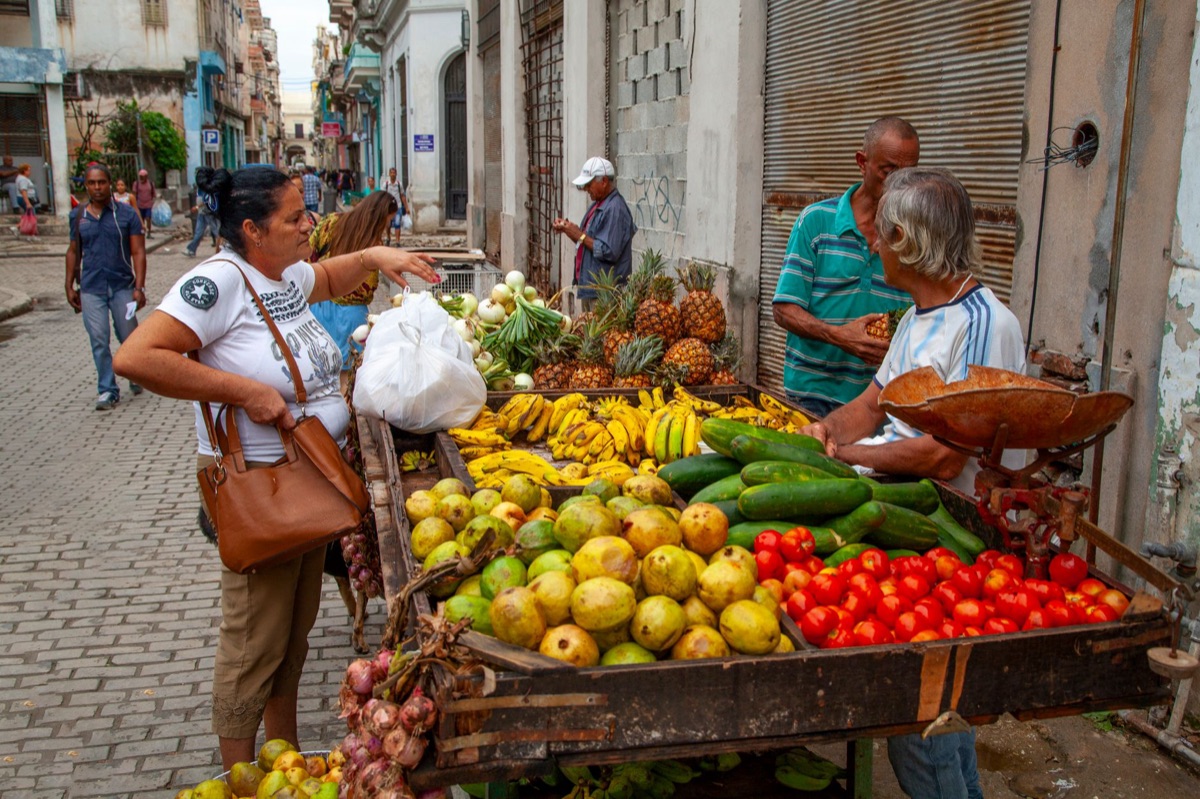
Beyond the sandwich: what is the best way to pair it?
A steaming plate sits on a small cafe table, accompanied by a tiny cup of dark, sweet coffee. The aroma of the espresso mingles with the savory scent of the toasted bread.
A Cuban sandwich is rarely eaten alone. To truly replicate the Little Havana experience, you must pair it with a *cafecito*—a small, incredibly strong Cuban espresso sweetened with sugar. The bitterness of the coffee perfectly balances the richness of the pork and cheese.
For a lighter touch, a fresh fruit juice like passionfruit or guava is a common local choice.
In Little Havana, you will find these sandwiches served in everything from casual takeout windows to upscale dining rooms. While the ingredients remain consistent, the presentation changes.
In a casual setting, it might be wrapped in butcher paper; in a more formal setting, it sits elegantly on a ceramic plate. If you are recreating this at home, remember that the "authentic" element comes from the quality of the pork and the strength of the press.
Troubleshooting and pro tips: why did it fail?
The chef pauses to check the temperature of the grill, moving a sandwich slightly to ensure an even toast. A single mistake in timing can ruin the texture.
If your sandwich feels too heavy or greasy, you likely used too much pork or didn't use enough mustard. The acidity of the mustard is crucial for cutting through the fat. If the bread is too hard to bite through, you likely pressed it too hard or used a loaf that was already too dry.
For those looking to experiment, minor variations like adding thin slices of avocado are acceptable in modern Miami kitchens, but purists will tell you that the classic four-ingredient profile is where the magic lives.
If you are preparing this for a crowd, assemble the sandwiches but do not press them until right before serving. The heat is what makes the sandwich "work."





Comments 0