Miami rooftop club guide: Warm weather for Miami nightlife
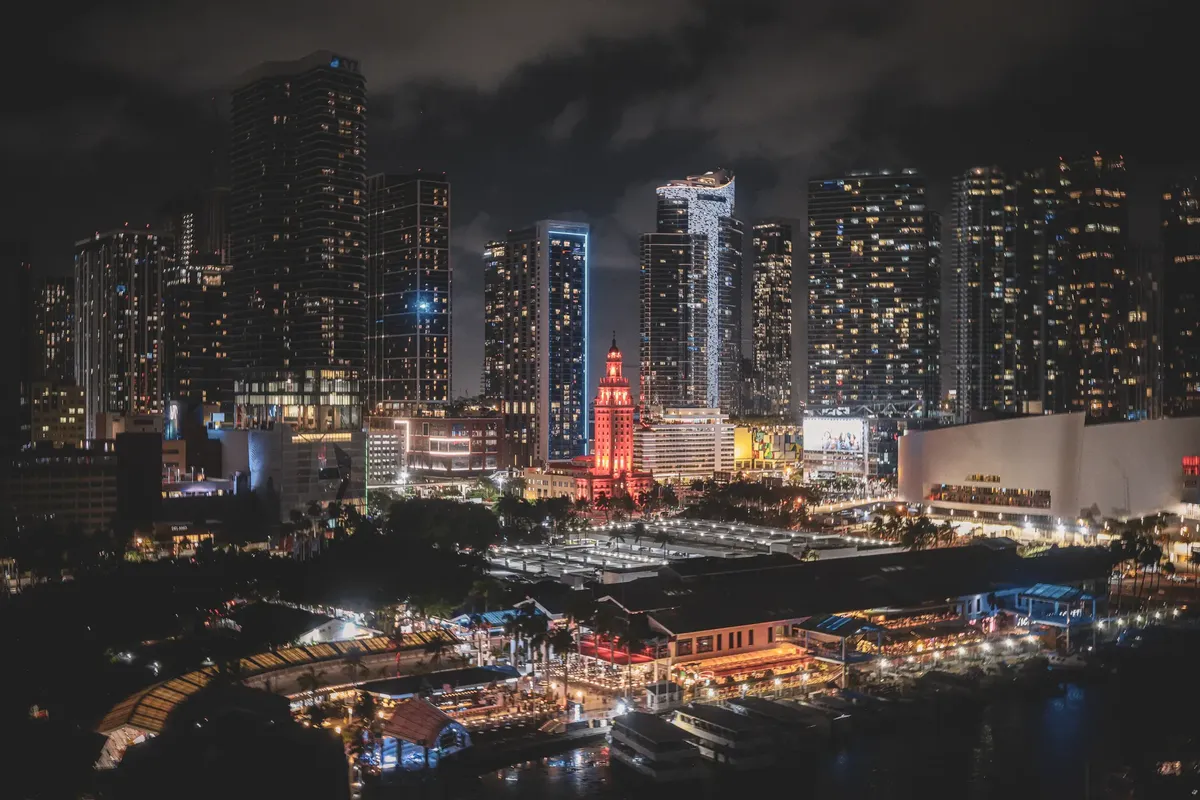
"The city lights shimmer against the Atlantic, and the breeze carries the scent of salt and excitement."
A Miami rooftop club guide helps travelers navigate the vibrant atmosphere and warm climate of South Florida. This guide covers weather considerations for outdoor venues, essential planning tips, and what to expect from the local climate.
Key takeaways: * Plan for warm winter temperatures and minimal freezing weather. * Consider sudden temperature shifts after cold fronts. * Prepare for high humidity and seasonal rainfall patterns.
How to prepare for a Miami rooftop club guide?

I pack a light linen shirt into my suitcase at dusk, feeling the humid air of miami cling to my skin.
A traveler stands on a balcony, looking out at the neon skyline while feeling the warm breeze against their skin. To make the most of a night out, understanding the local climate is the first step in choosing the right attire and timing.
For those visiting during the winter months, the weather remains relatively mild. According to Wikipedia: Climate of Miami, January averages 68.6 °F (20.3 °C), meaning winter features warm temperatures. This warmth makes rooftop settings much more comfortable than in northern regions.
The atmosphere changes when weather patterns shift. Cool air usually settles after the passage of a cold front, which produces much of the little rainfall. This transition can change the vibe of an outdoor lounge instantly.
- Research the dress code for specific venues.
- Arrange transportation in advance.
- Secure table reservations if you plan to sit.
- In this order, the second step is the most important.
How can I handle the weather while out in Miami? A guest adjusts their light jacket as the evening air cools slightly near the coast. When planning a night out, knowing the temperature extremes helps in packing correctly for a seamless Miami nightlife tips experience.

Highs generally reach 70 °F (21 °C) or higher, and fail to do so on only an average of 12 days annually. This means most nights offer a consistent warmth that supports outdoor social life.
Lows sometimes fall to or below 50 °F (10 °C), with an average of 3 such occurrences annually, but rarely 40 °F (4 °C). From 1981 to 2010, temperatures reached that level in only eight calendar years.
Check the local forecast for sudden tropical showers and prepare accordingly.
When should I hit the best rooftop clubs in Miami? The sun dips low over the miami skyline as I sip a cold drink, feeling the warmth of the evening breeze.
A cocktail is stirred slowly as the sun begins to set over the ocean. Selecting the right season for a visit is key to enjoying the best rooftop clubs Miami has to offer.
The lack of freezing weather makes the region a year-round destination. With most Miami-Dade cities joining in the 2023 USDA update, Miami Beach has virtually no freezing weather in its history and few instances of sub-40 °F (4 °C) weather.
While the warmth is reliable, travelers should be aware of the wet seasons. Much of the year's 67.41 inches (1,710 mm) of rainfall occurs during specific periods.
Sunset is typically the ideal time to arrive to catch the transition from daylight to nightlife.
How can I manage a Miami clubbing experience?
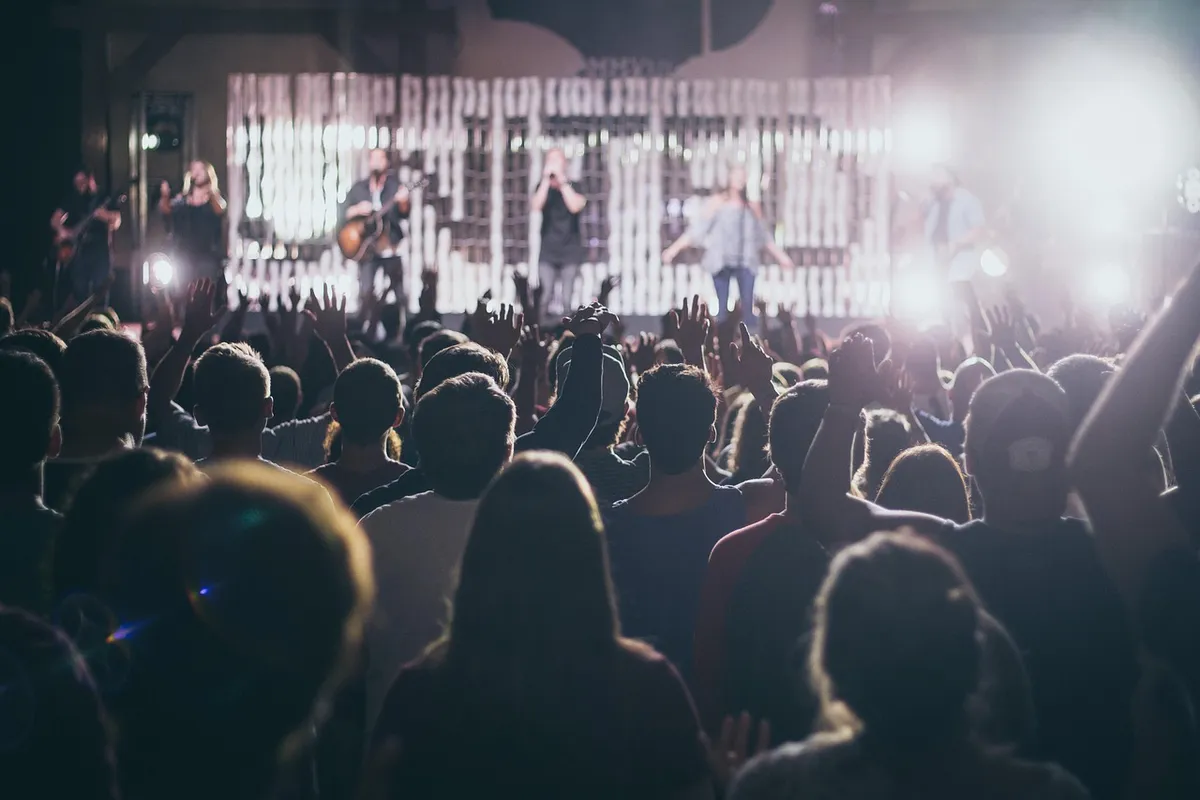
A group of friends laughs while walking toward a brightly lit entrance. Navigating the energy of the city requires understanding the rhythm of the local environment to ensure a smooth Miami clubbing experience.
Travelers should check the forecast for sudden shifts. Because much of the rainfall is seasonal, a sudden downpour can affect outdoor venues.
- Pack versatile layers to handle temperature dips after cold fronts. s2. Monitor seasonal rainfall to avoid heavy storms during outdoor dining. 3. Check local temperature history to gauge nighttime lows.
I remember checking the evening temperature before heading out to ensure my light layer was sufficient for the breeze.
Stay hydrated and keep track of your belongings in crowded environments.
What is the Miami nightlife guide for travelers?
A traveler looks at a map of the coastline before heading out for the evening. A comprehensive Miami nightlife guide should account for the unique humidity and temperature variables of the region.
The variability in weather is a constant factor. Miami has an average annual rainfall of 61.9 inches (1,570 mm), whereas nearby Fort Lauderdale and Miami Beach receive 66.7 inches (1,690 mm) and 57.18 inches (1,450 mm), respectively.
This high local variability in rainfall rates means that a rooftop experience in one area might feel different than in another.
Always keep a digital copy of your identification and budget for ride-sharing services.
What are the limitations of planning for Miami rooftop nightlife?
A person watches the clouds roll in from the sea, wondering if the rain will hold off. Planning for Miami rooftop nightlife requires acknowledging that weather remains unpredictable despite general trends.
A concrete condition to consider is the extreme temperature range. Extreme temperatures range from 27 F on February 3, 1917, to 100 °F on July 21, 1942 and August 18, 2026.
Weather changes and sudden capacity limits can impact even the most detailed plans.
The subject here is Miami rooftop club guide.
This part also covers Latin culture in Miami.
This part also covers Miami club scene guide.
Related
How does the city lights scenario compare to the reality of the climate? 1. The shimmering city lights scene sets a backdrop against the Atlantic breeze, which is a direct product of the local climate conditions. 2. The warmth experienced while viewing the lights reflects the mild temperatures characteristic of the region during much of the year.
This contrast highlights how the initial visual impression of the city lights can be matched or contrasted by the actual thermal conditions present during the visit.


Comments 0